We are processing your request.
Please, don’t close or refresh the page.
Madrid Tickets Museo Del Prado Garden Of Earthly Delights
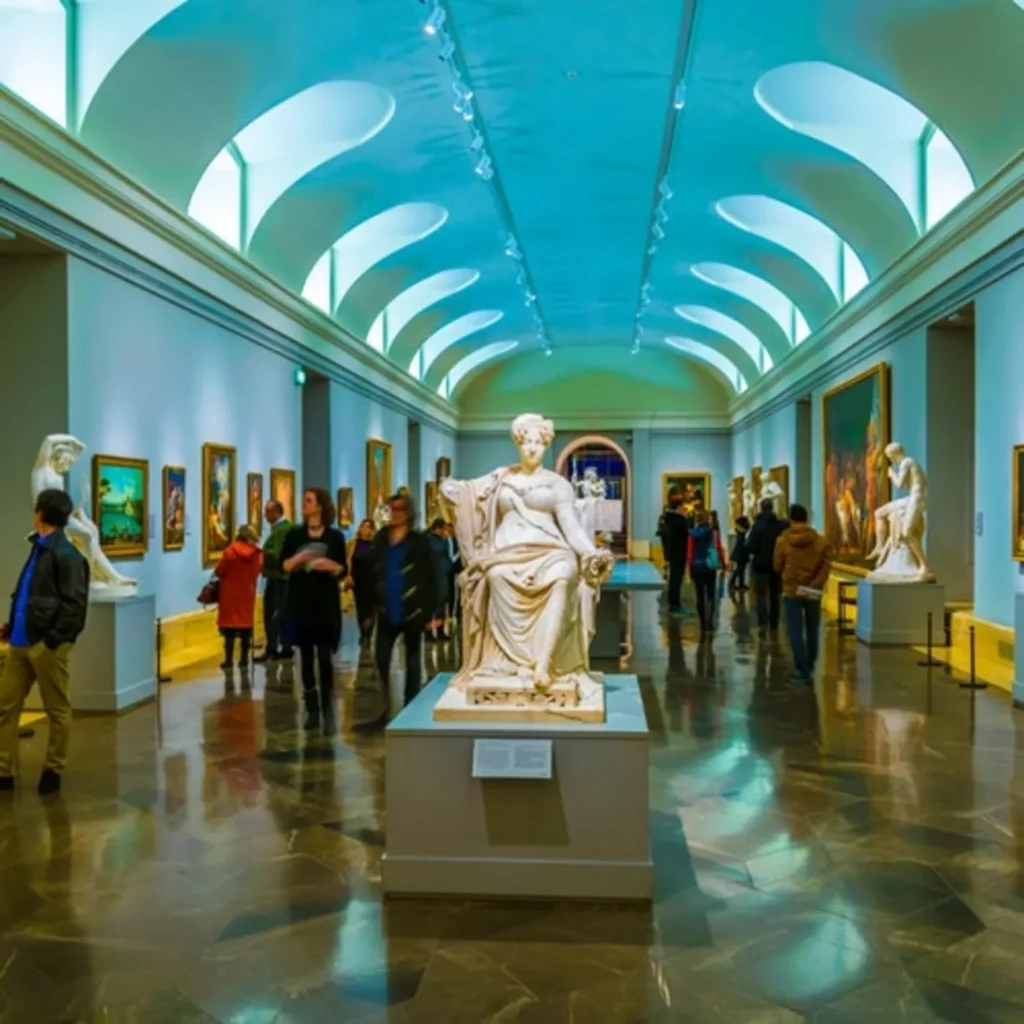
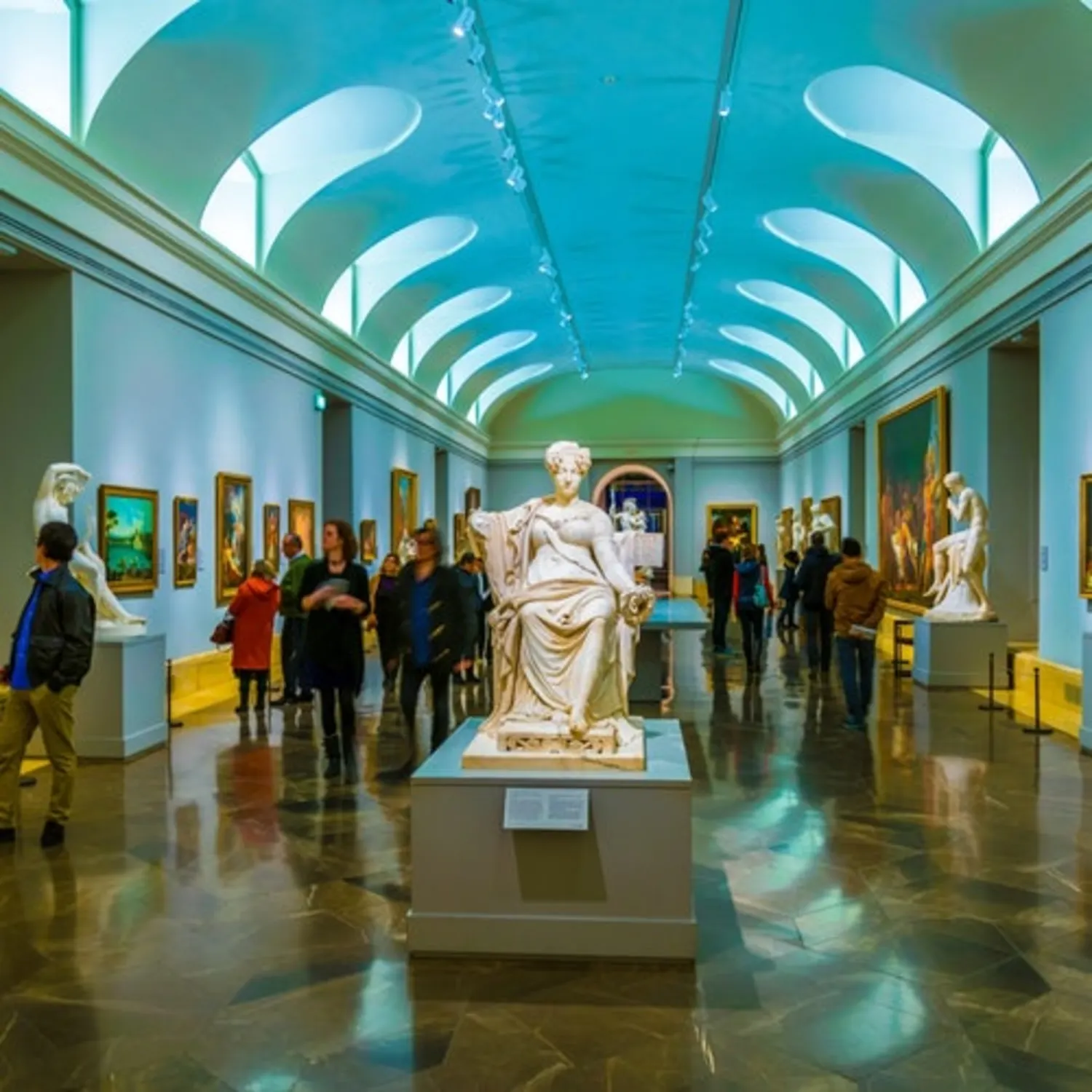
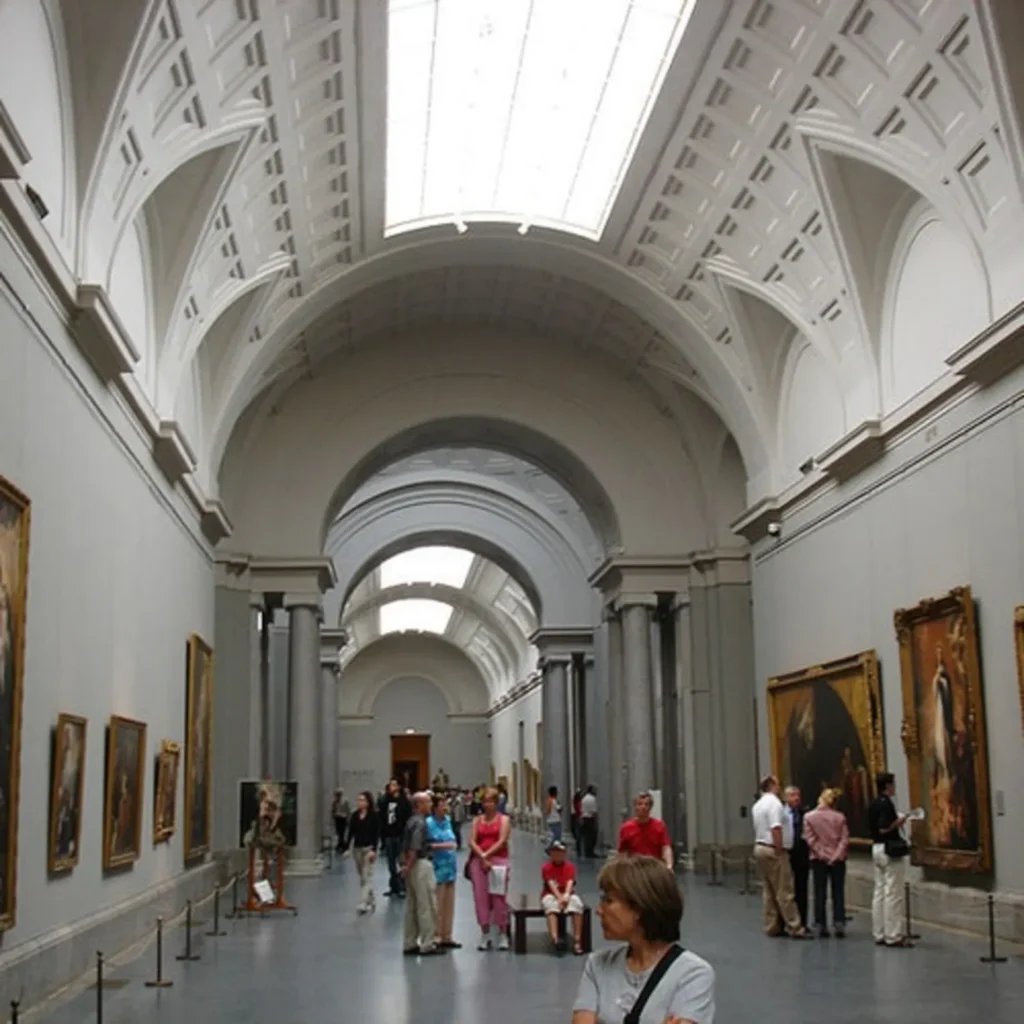
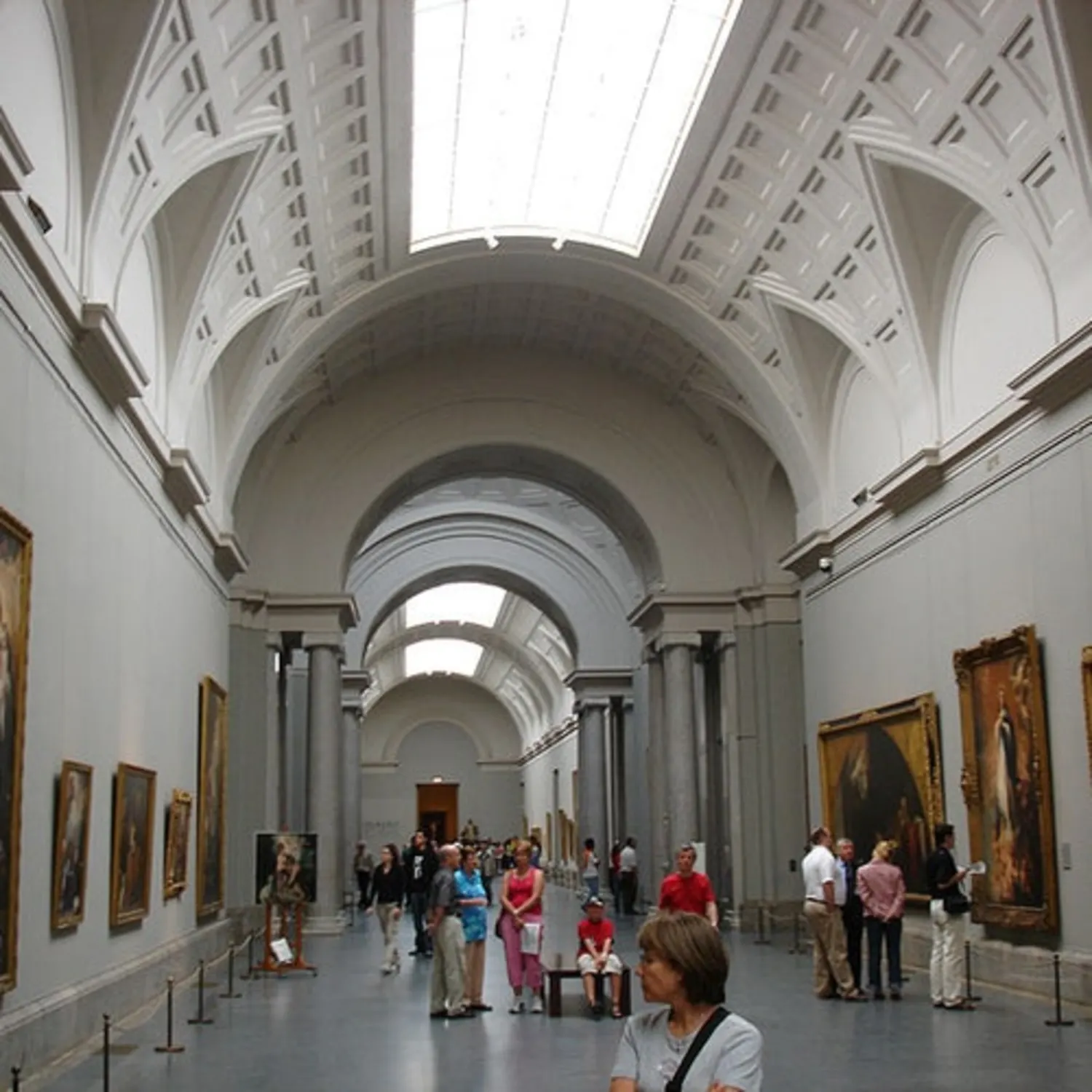
The Central Gallery of the Prado Museum

The Garden of Earthly Delights by Hieronymus Bosch

Bosch's great triptych moves from Eden, through a crowded garden of pleasure, to a Hell full of musical instruments. It hangs in Room 056A of the Prado, in a gallery given over to the painter.

Nobody doubts that Hieronymus Bosch painted The Garden of Earthly Delights, although he never signed it and its exact date is still argued over. Opened, the three oak panels tell one story about sin: it enters the world in Eden, spreads through a false paradise of pleasure, and is punished in Hell. Closed, the shutters show the world on the third day of Creation, painted in shades of grey.

The Garden of Earthly Delights at a glance

Artist: Hieronymus Bosch, known in Spain as El Bosco. The work is unsigned, but the attribution has never been questioned.

Date: 1490 to 1500 in the Prado's catalogue. Other scholars have proposed slightly different dates.

Technique: oil on oak panel, with the outer shutters in grisaille.

Size: the central panel measures 185.8 x 172.5 cm and each wing is 76.5 cm wide.

Early owners: the Nassau family, then William of Orange, before Philip II sent it to El Escorial in 1593.

Where to see it: Room 056A of the Prado.

Three panels, one story about sin

Sculpture gallery inside the Prado Museum

Read the open triptych from left to right. In the left wing, God, with the features of Christ, presents Eve to Adam, a rare subject, beside the fountain of the four rivers, a dragon tree and the tree of knowledge with its serpent. The central panel fills with naked men and women, in pairs and groups, among oversized animals, plants and fruit. Lust dominates, but other sins appear too, and riders on real and fantastic mounts circle a pool of bathing women. The right wing is the so-called musical Hell, where musical instruments become instruments of torture. Each deadly sin has its punishment there, from the monster that swallows and expels sinners, an image of avarice, to icy water for the envious.

The closed shutters

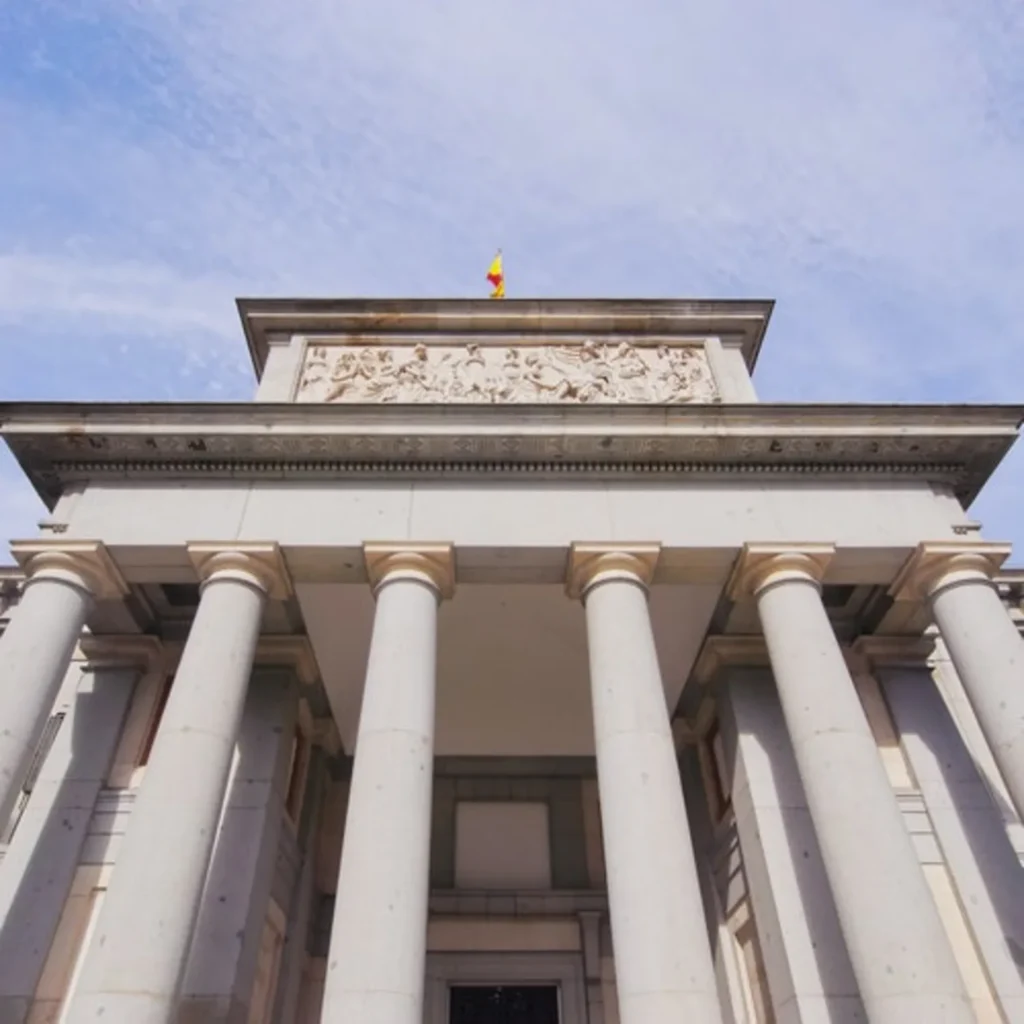
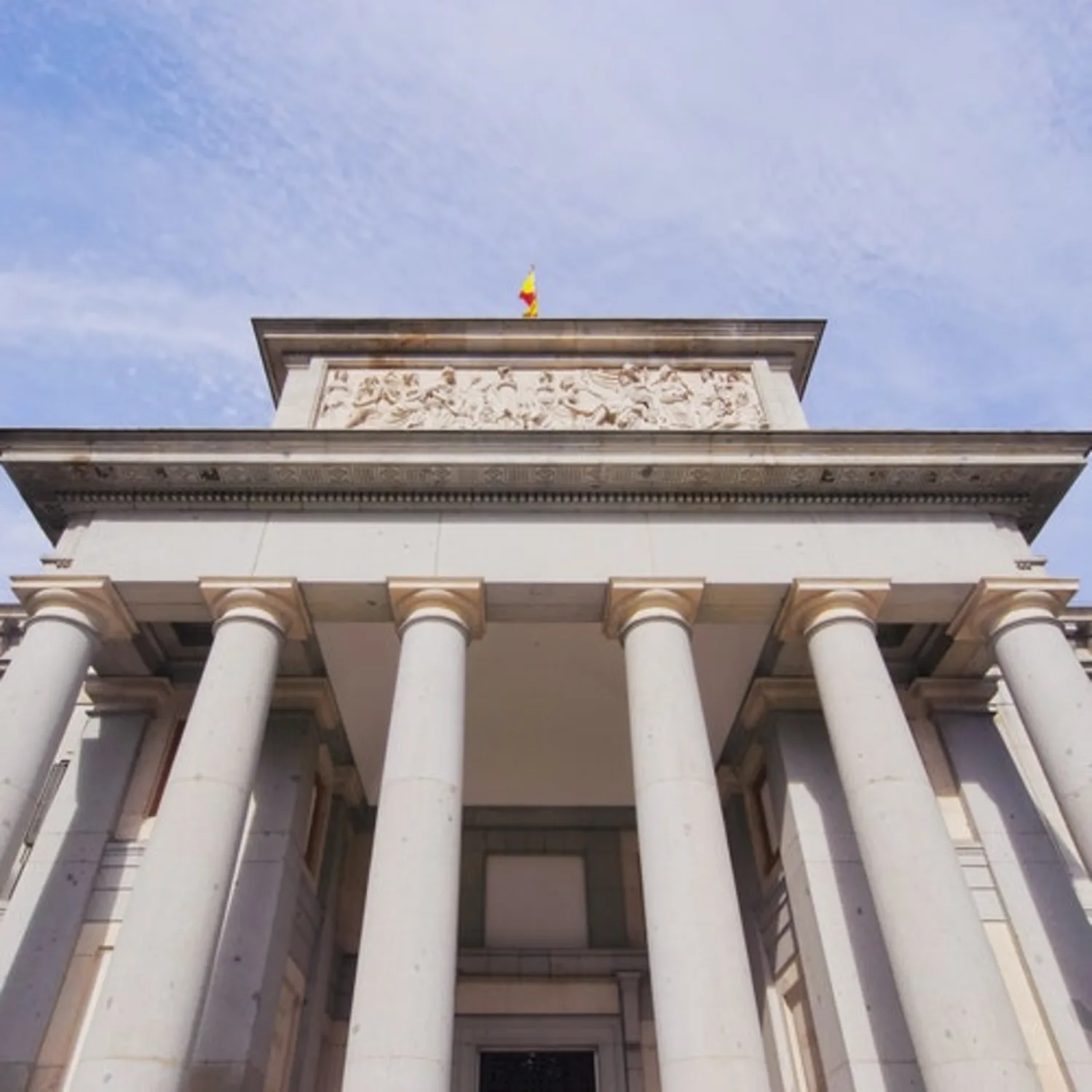
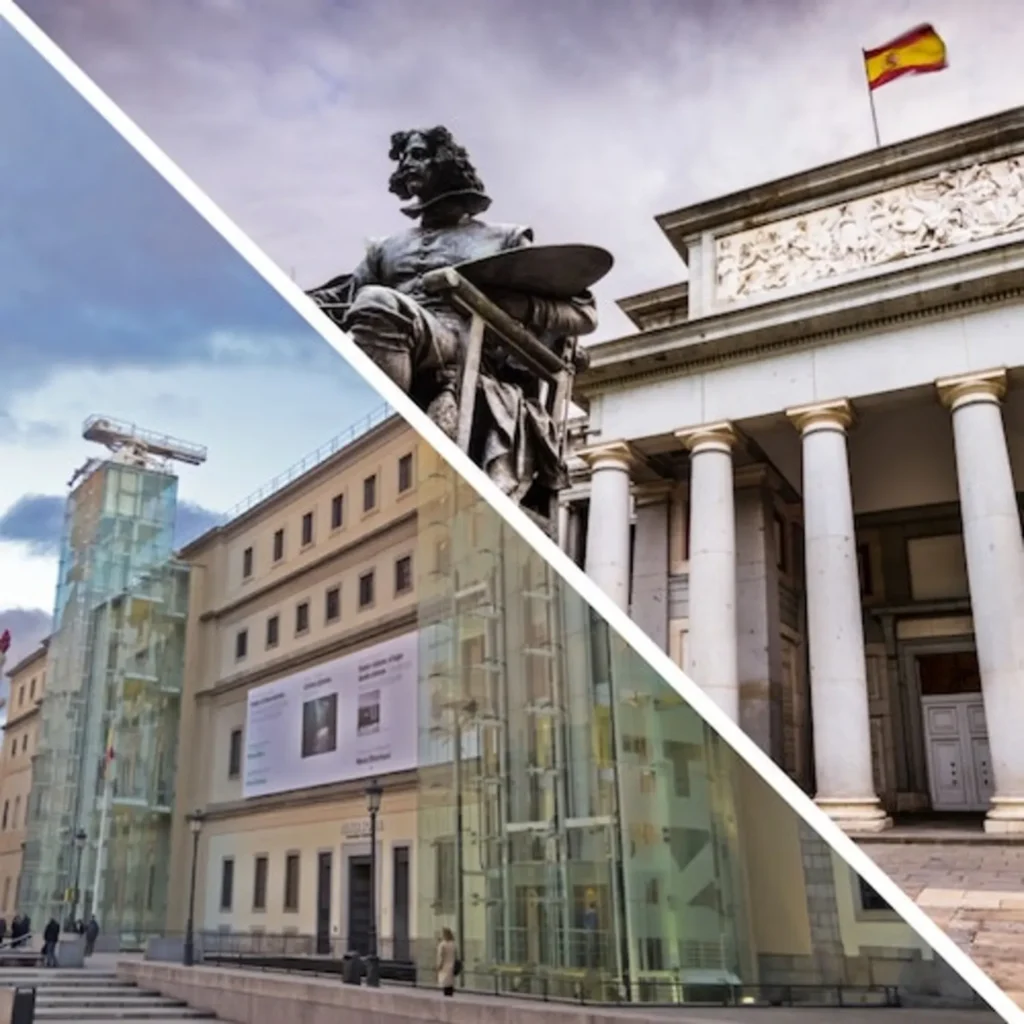
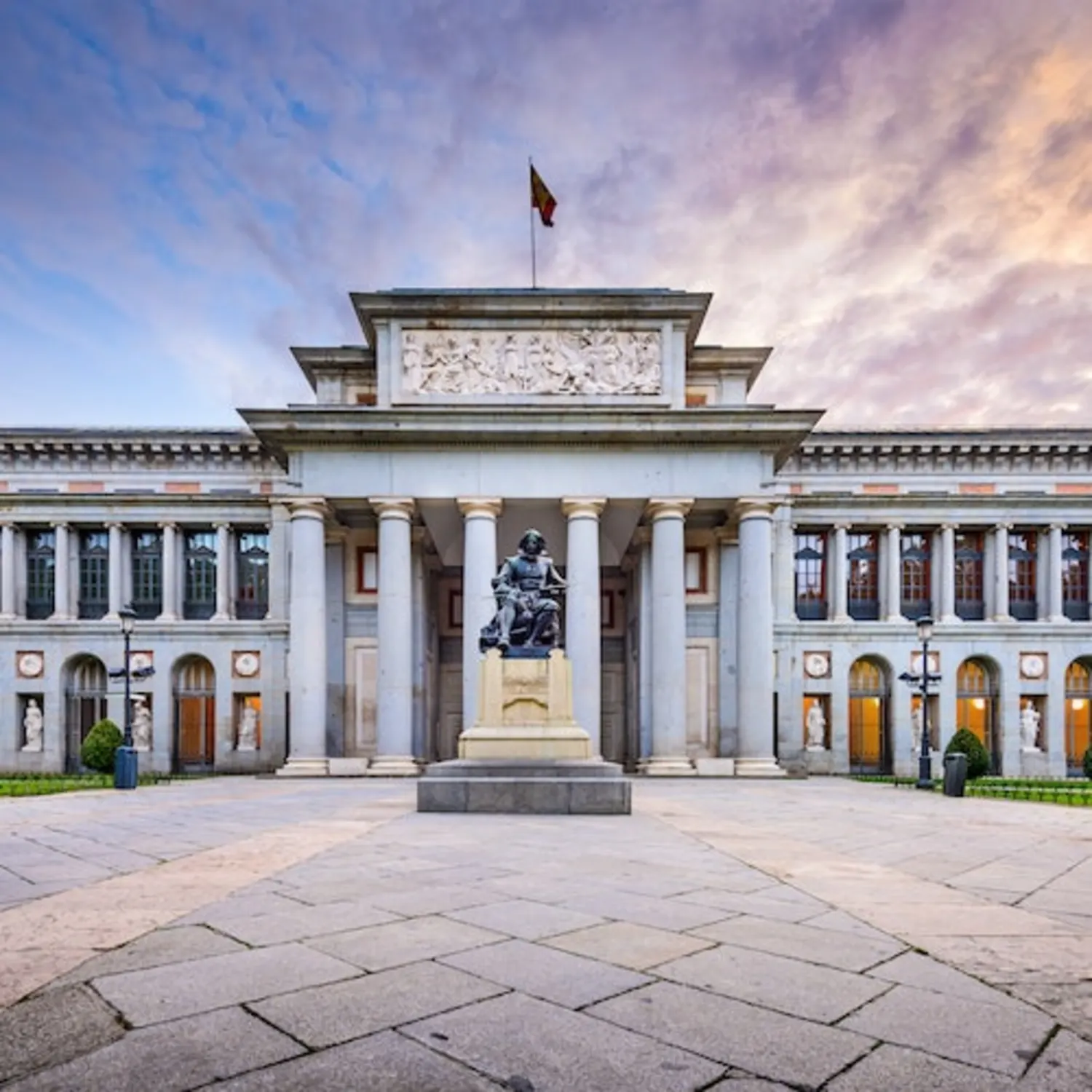
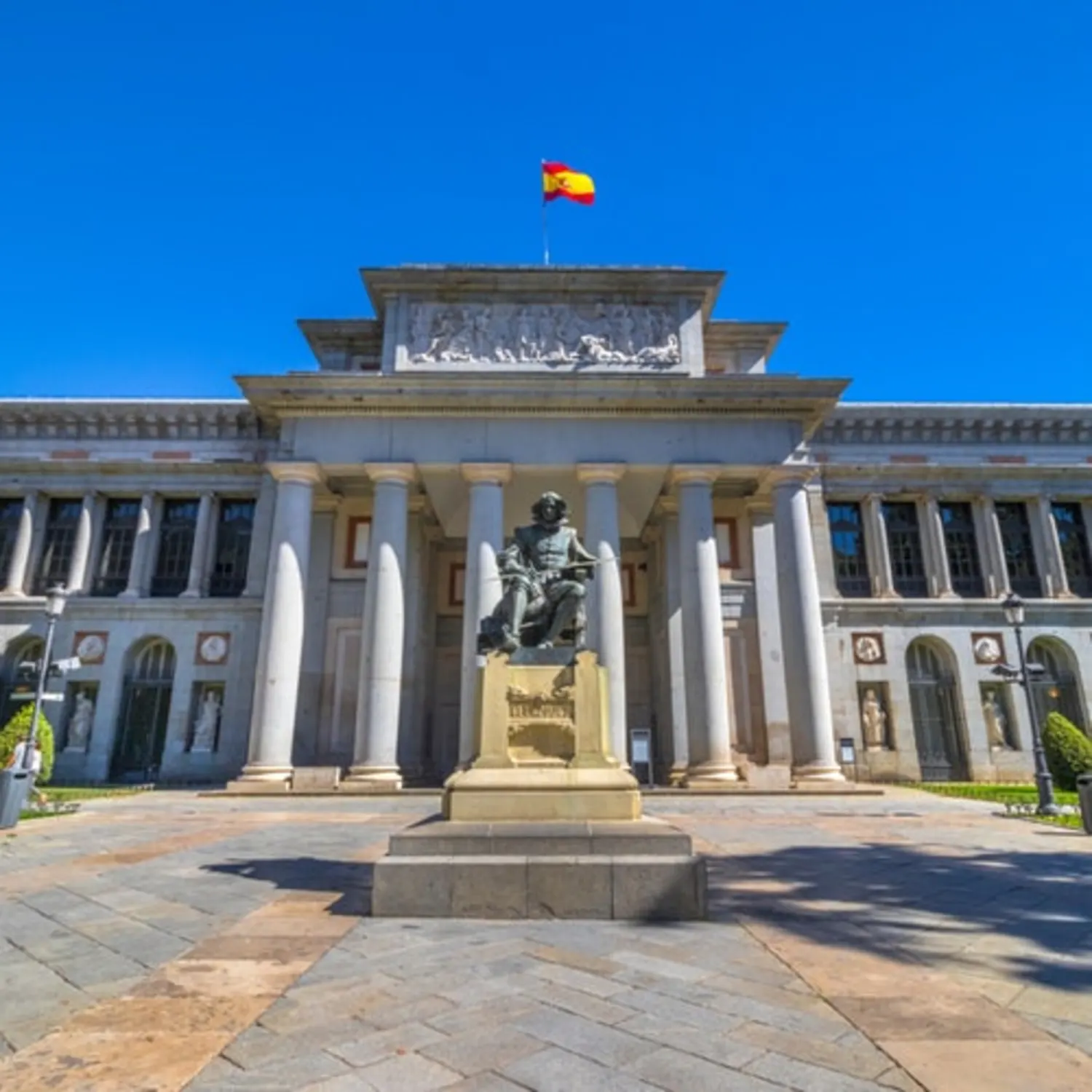
Main facade of the Prado Museum in Madrid

Before the triptych is opened, its outer wings show the third day of Creation in grisaille, a palette of greys. A flat earth, surrounded by water and covered in vegetation, floats inside a transparent sphere. In the upper left corner, God the Father appears wearing a triple crown and holding an open book. Gilt Latin lines from Psalms 33 and 148 run across the top, and say, in short, that he spoke and all things were made. When the gallery was reinstalled in 2016, the Prado arranged its Bosch triptychs so that visitors could see both sides of the wings, so look behind the panels as well as in front.

From the Nassau palace to the Prado

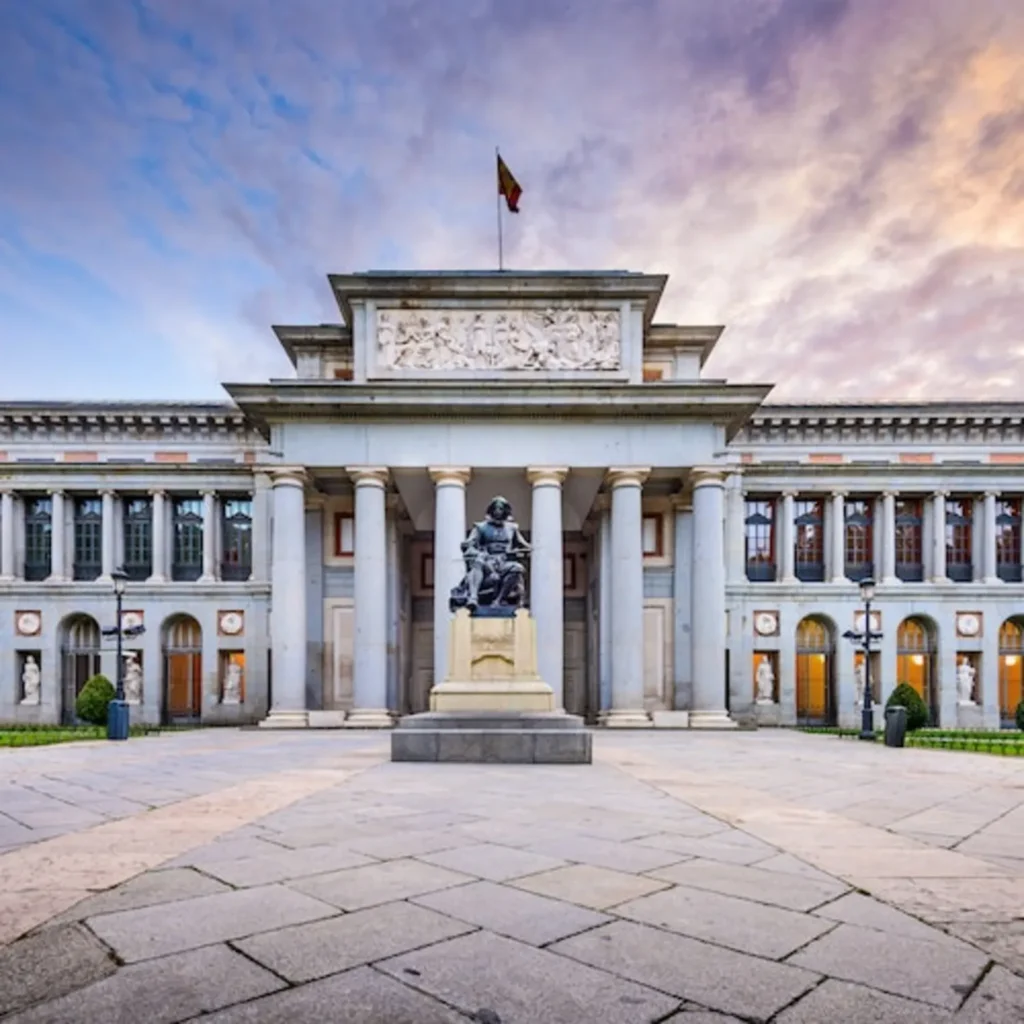
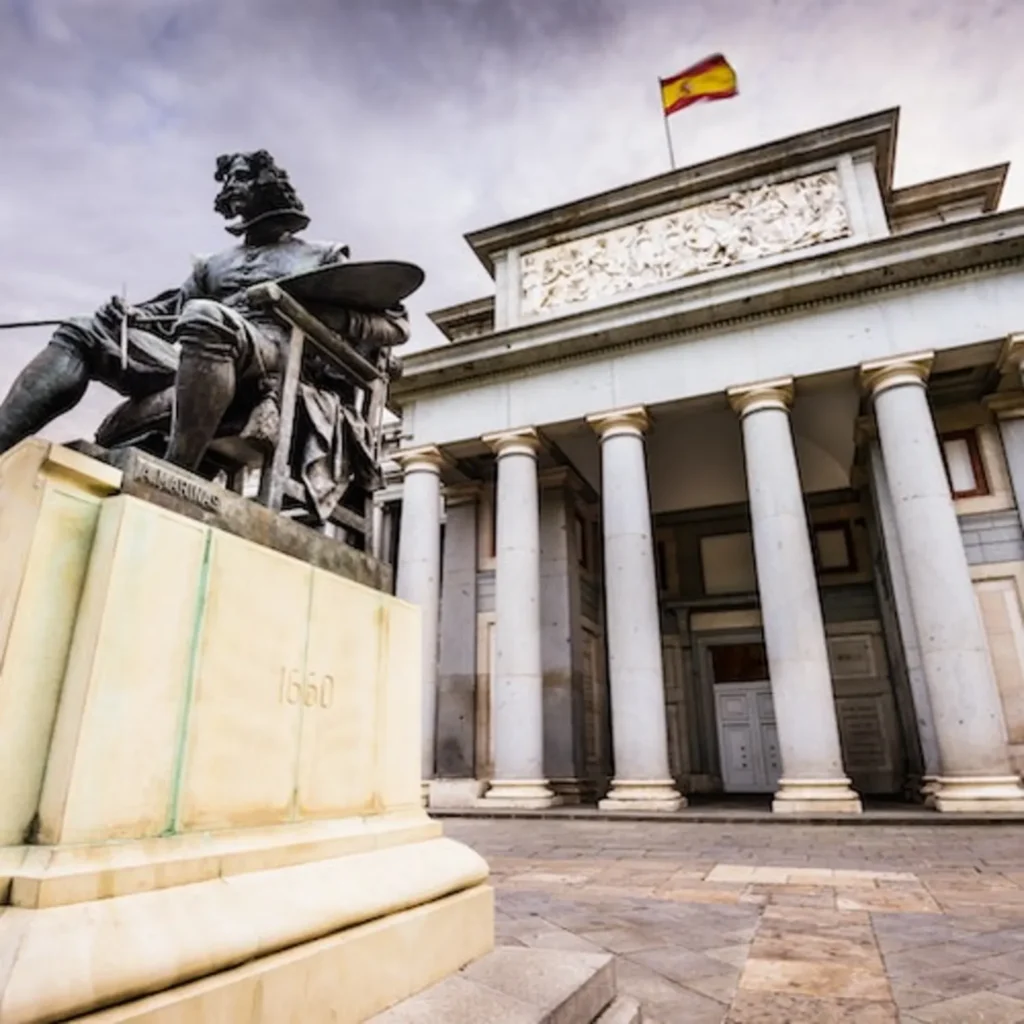
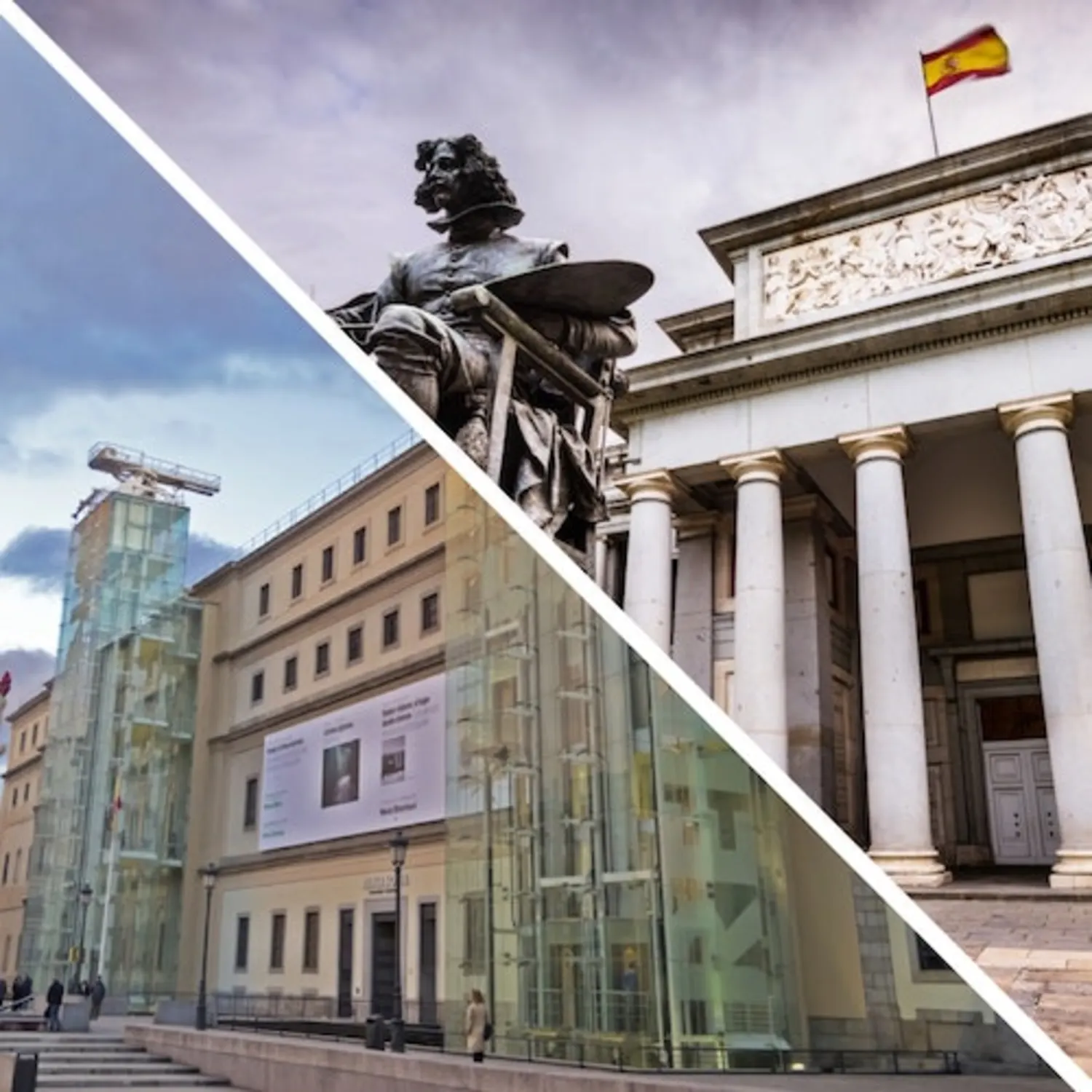
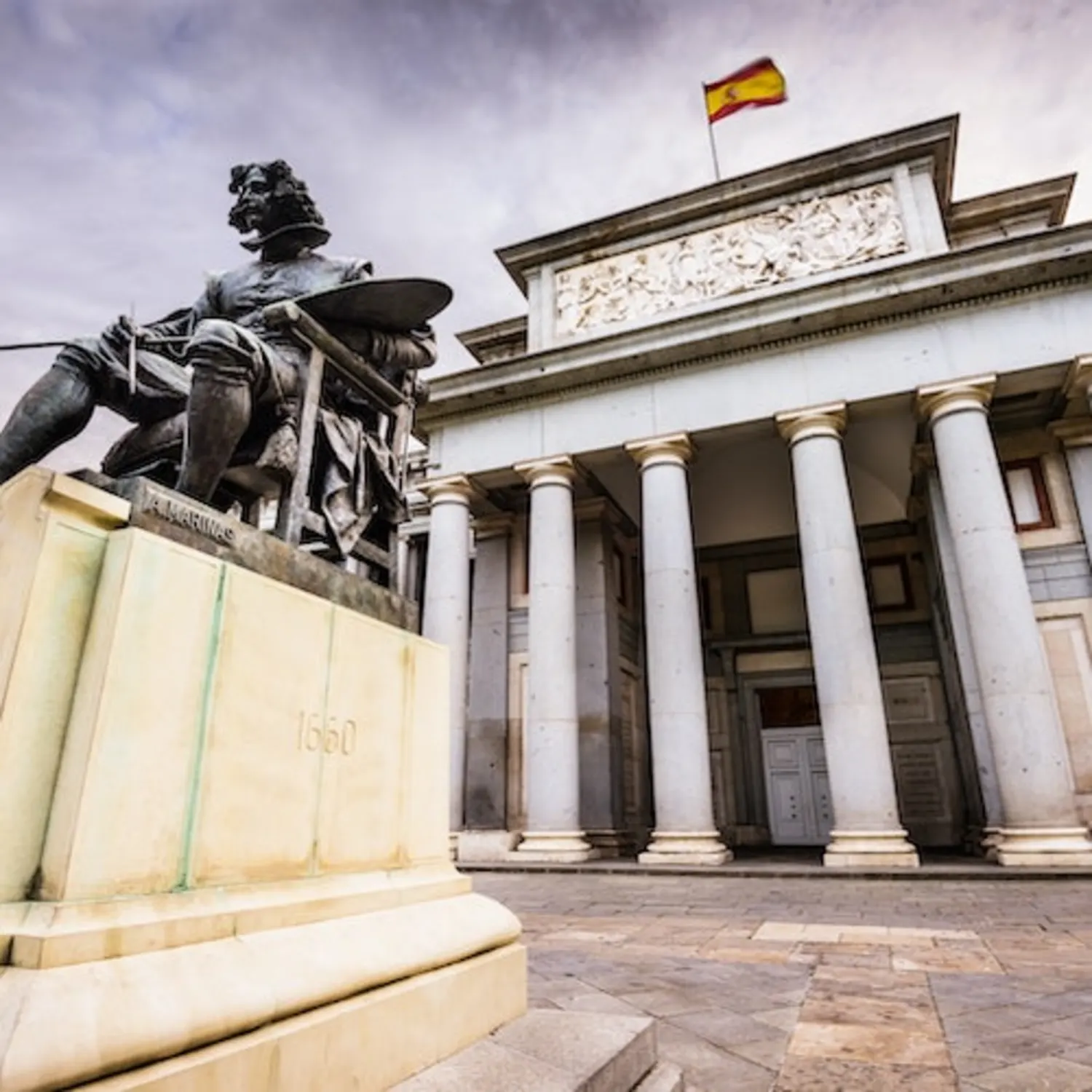
Statue of Velázquez in front of the Prado Museum

The triptych first belonged to the Nassau family, who held a castle at Breda. The Prado attributes the commission to Engelbert II of Nassau rather than to his nephew Henry III. A visitor, Antonio de Beatis, saw it in the Nassau palace in Brussels in 1517. After passing to William of Orange, it was seized by the Duke of Alba in 1568 and kept by Fernando de Toledo until his death in 1591. Philip II bought it at the sale of Fernando's estate and in 1593 sent it to the monastery of El Escorial, where it was recorded as a painting of the variety of the world. It came to the Prado from El Escorial in 1933.

4.7
(30)

Prado Museum Tickets

Highlights

Explore masterpieces by renowned Spanish and international artists.

Enjoy direct entry to the museum’s permanent collection through a dedicated entrance.

Discover over 1,500 artworks on display from a vast collection exceeding 7,000 pieces.

Avoid long queues with this entry ticket.

Experience one of the world’s leading art museums, comparable to the Louvre and the Met.
4.7
(9)

Prado and Reina Sofía Museums: Skip-the-Line + Guided Tour Ticket

Highlights

Avoid waiting in line at both museums.

Join a knowledgeable guide who speaks Spanish.

Discover iconic Spanish artworks from the 16th to 20th centuries.

Enjoy a comprehensive 4-hour tour covering major masterpieces.

Visit both the Prado and Reina Sofía museums in one trip.
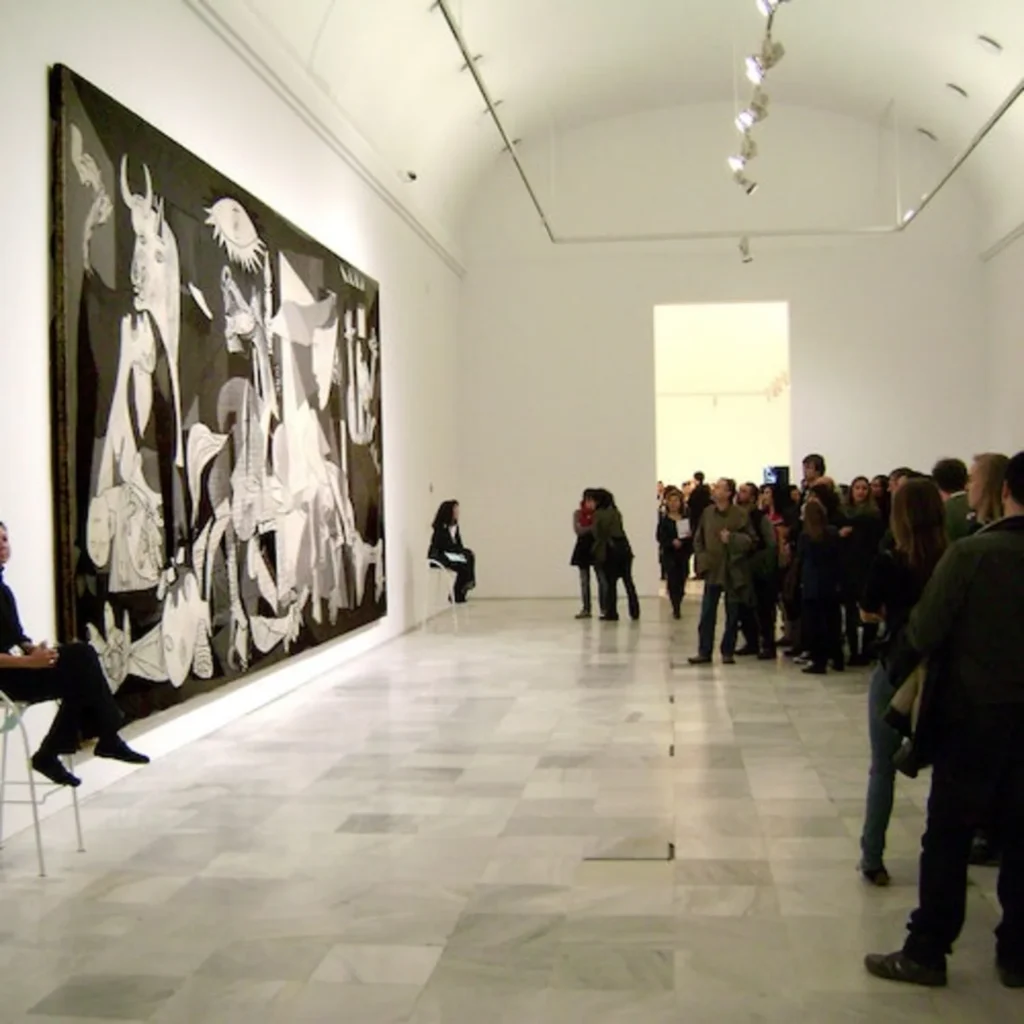
4.7
(21)

Prado, Reina Sofia and Thyssen: Paseo del Arte Season Tickets

Highlights

Avoid lengthy queues with express access.

Visit three top museums located close to each other.

Save up to 20% compared to individual ticket purchases.

Experience some of the world’s finest art collections.

Flexible entry times and dates for your convenience.
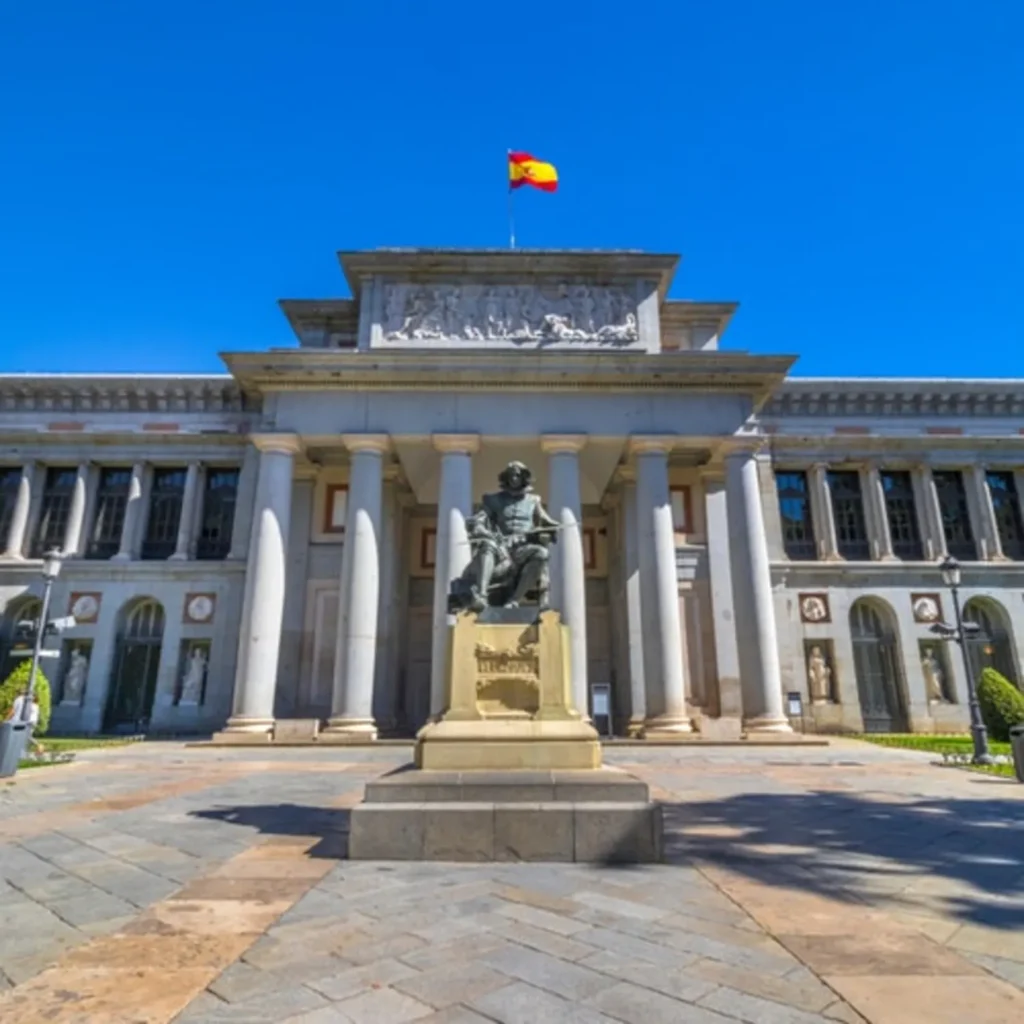
Before you leave Room 056A

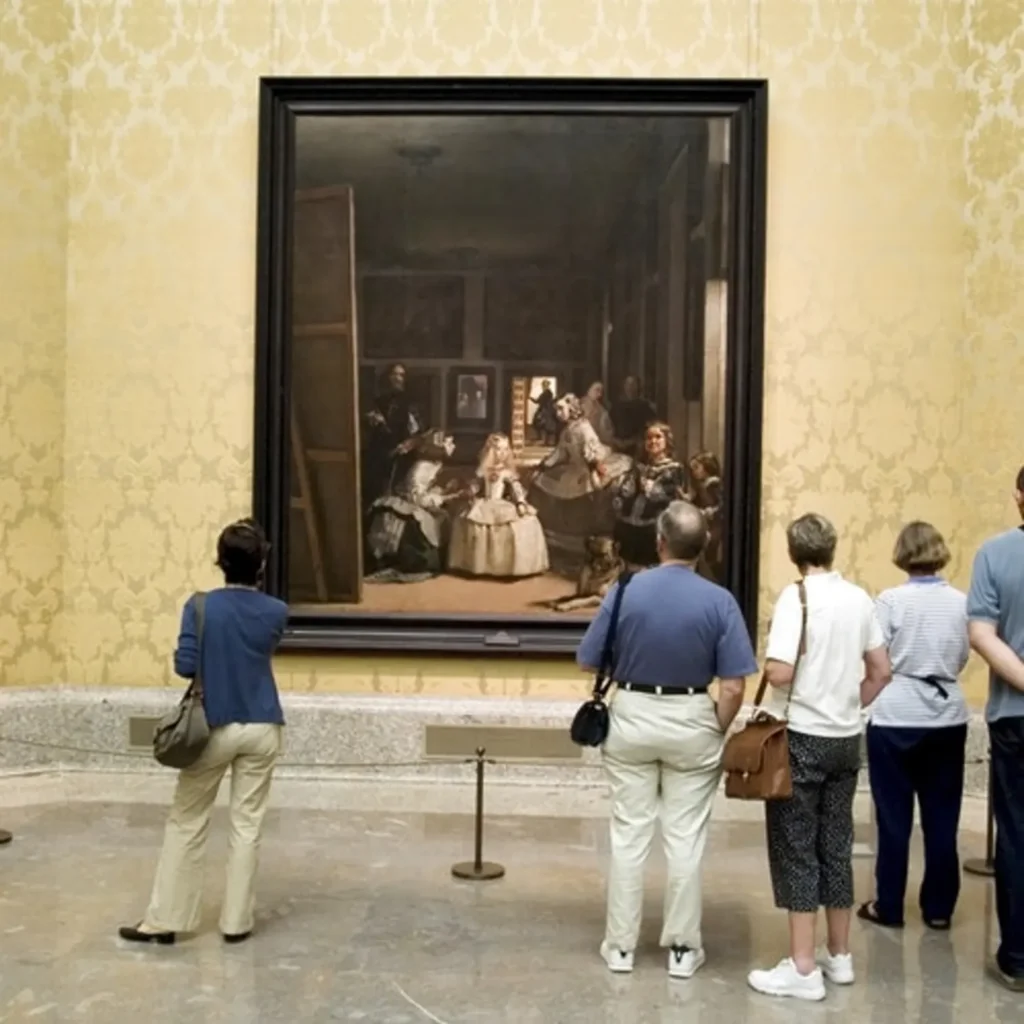
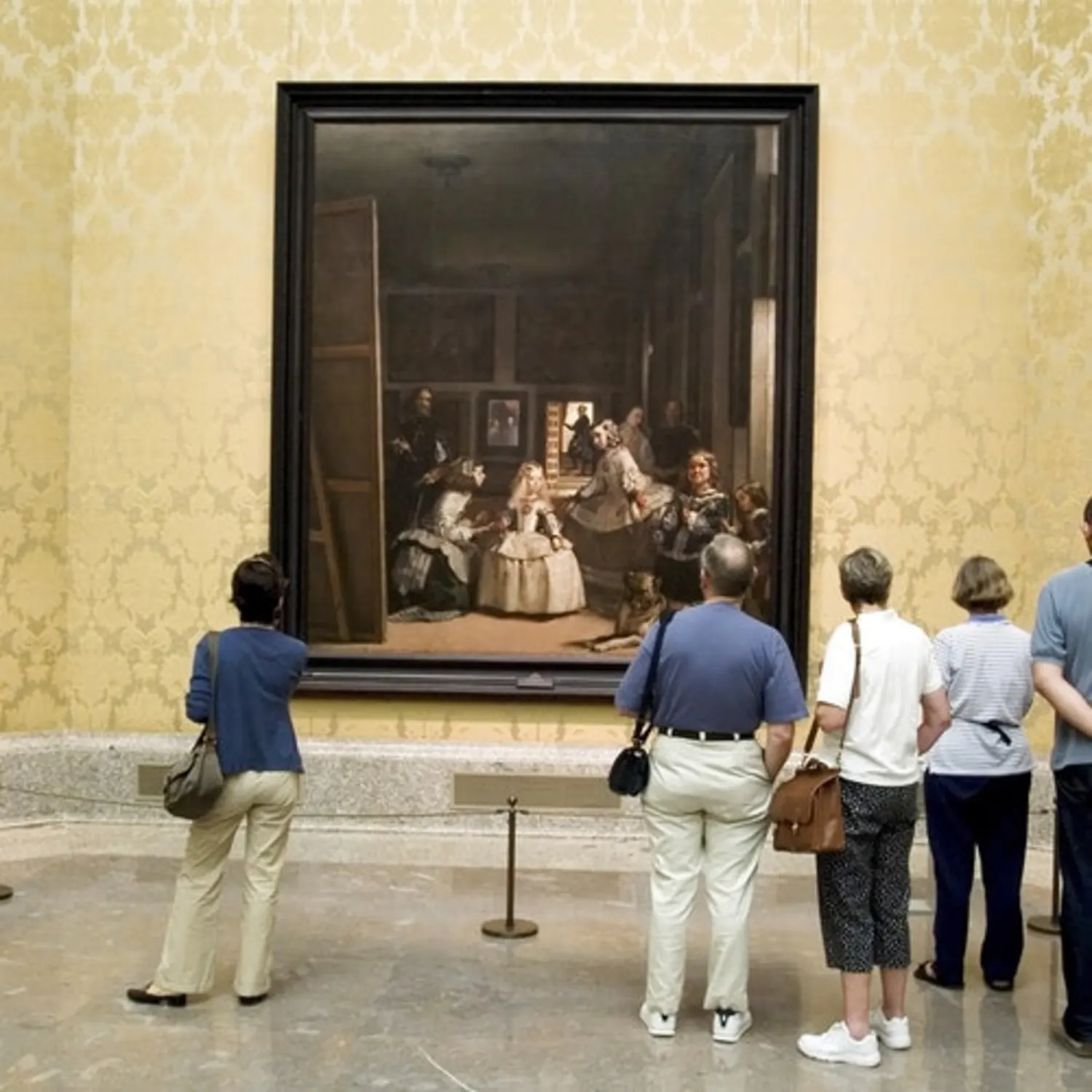
Stand back first to take in the whole triptych, then move in close to the central panel, where the smallest figures and fruits only reveal themselves at short distance. The Prado's other great puzzle of a painting, Velázquez's Las Meninas, rewards the same slow looking in Room 012.

The Garden of Earthly Delights FAQs

Where is The Garden of Earthly Delights?

It hangs in Room 056A of the Museo Nacional del Prado in Madrid, a gallery devoted to Bosch.

Who painted The Garden of Earthly Delights?

The Netherlandish painter Hieronymus Bosch, called El Bosco in Spain. The triptych is unsigned, but the Prado notes that the attribution has never been doubted.

When was The Garden of Earthly Delights painted?

The Prado dates it to between 1490 and 1500, based partly on its closeness to Bosch's Adoration of the Magi of 1494. Other scholars have proposed slightly different dates.

What does The Garden of Earthly Delights mean?

The Prado reads it as a moralising work about the brief, deceptive nature of sinful pleasure. Sin links the three panels: it enters Eden, spreads through the garden and is punished in Hell.

What is on the outside of the triptych?

The closed shutters show the third day of Creation in grisaille: a flat earth surrounded by water and vegetation, enclosed in a transparent sphere, with God the Father in the upper left.

How did the triptych reach Spain?

It was seized from William of Orange in 1568 and later owned by Fernando de Toledo. Philip II bought it in 1591 and sent it to El Escorial in 1593. It came to the Prado in the 1930s.

About this guide

This website offers official tickets for the venues listed, sold by Tourism Tickets. Please note, however, that it is not the official website of any of these venues.

The images and videos on this website may contain visual elements that have been created or enhanced using AI technology. They are provided for illustrative purposes only.