We are processing your request.
Please, don’t close or refresh the page.
Madrid Tickets Museo Del Prado Eugenia Martinez Vallejo
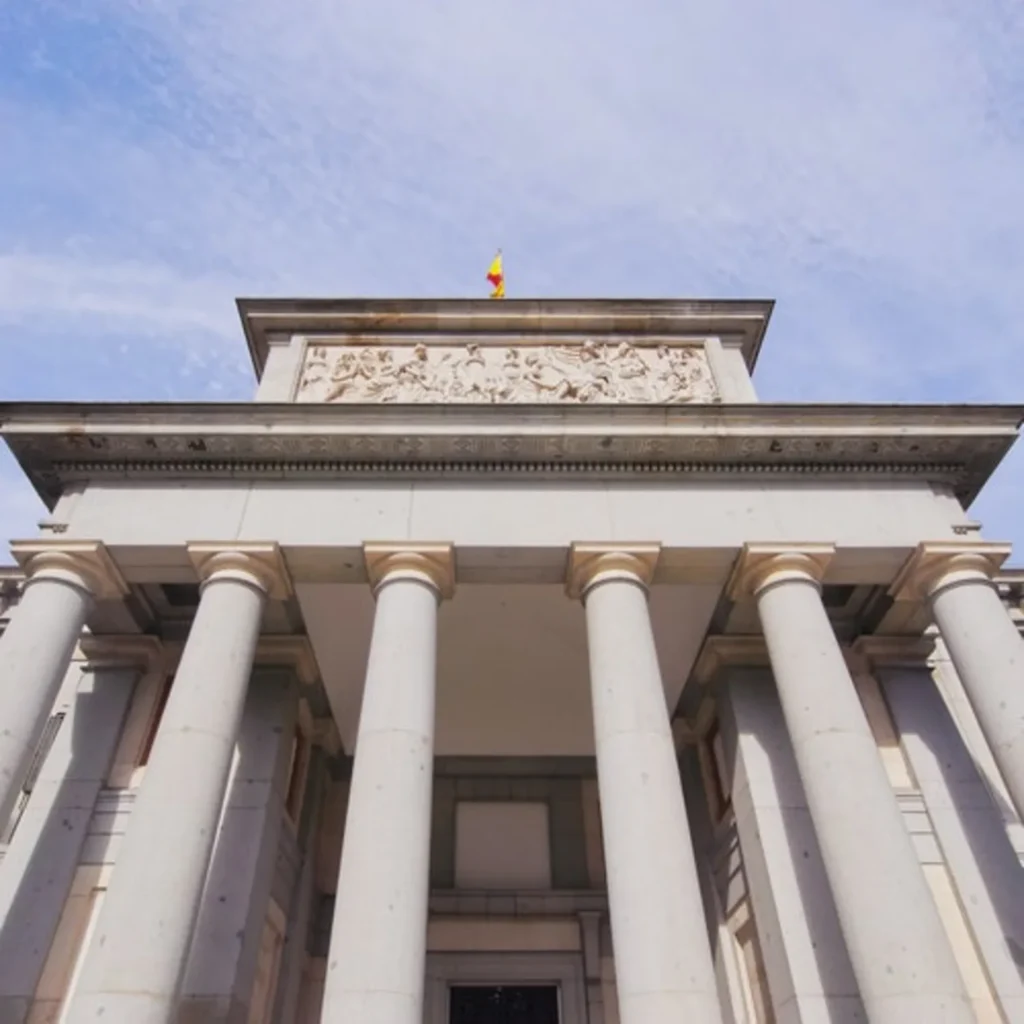
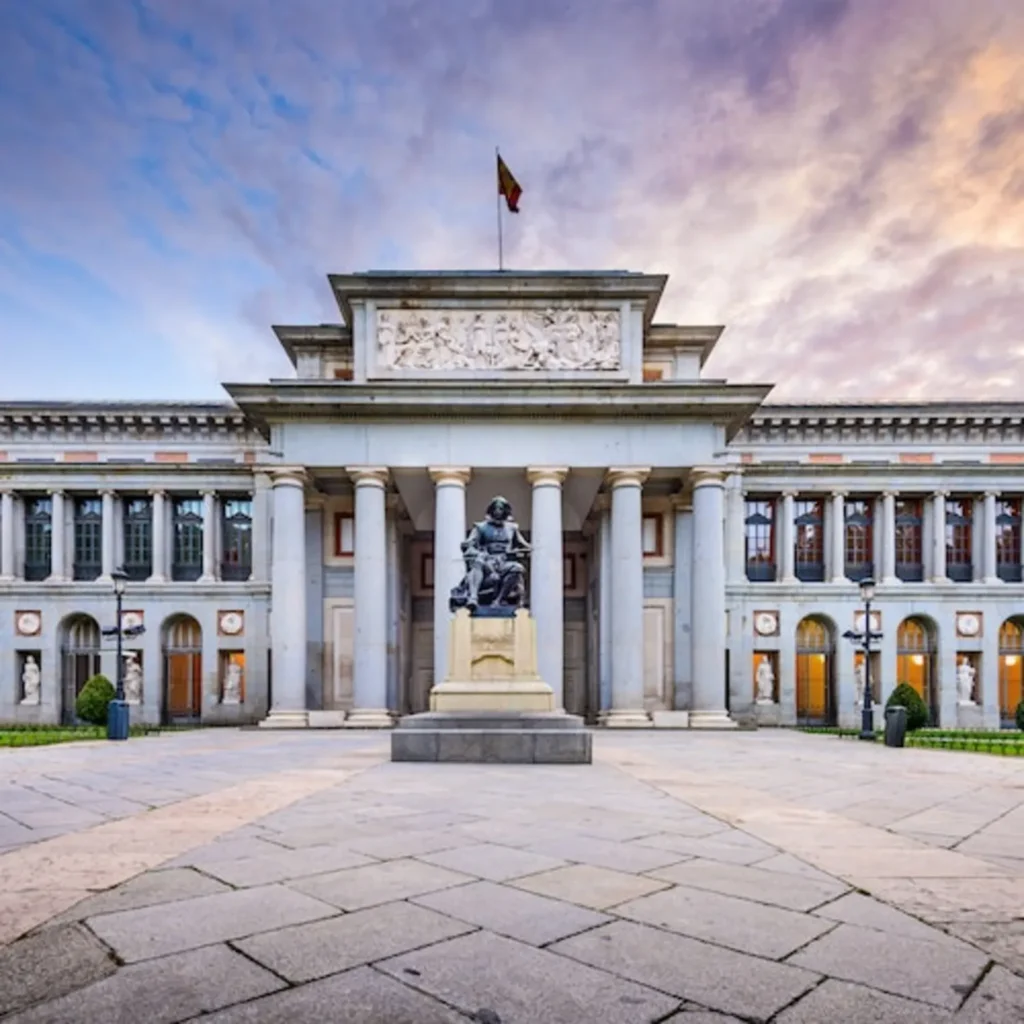
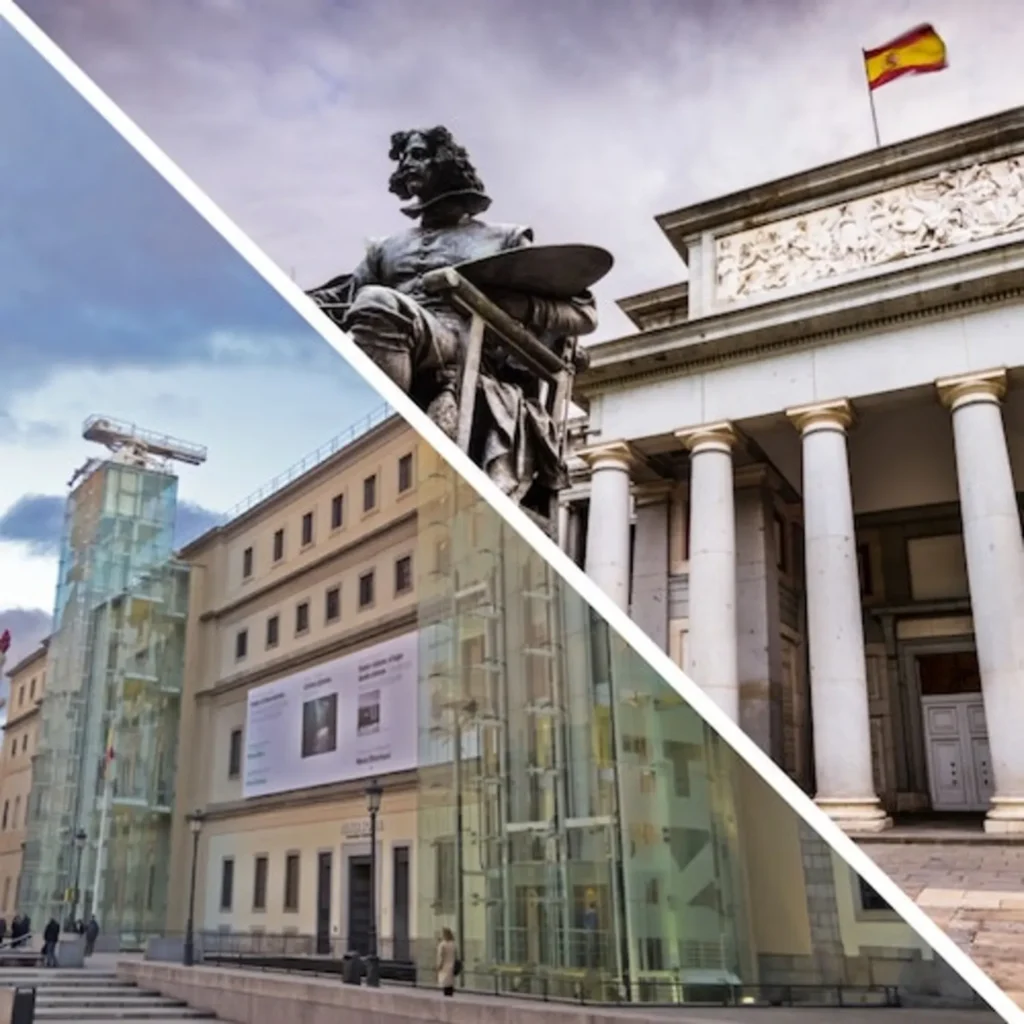
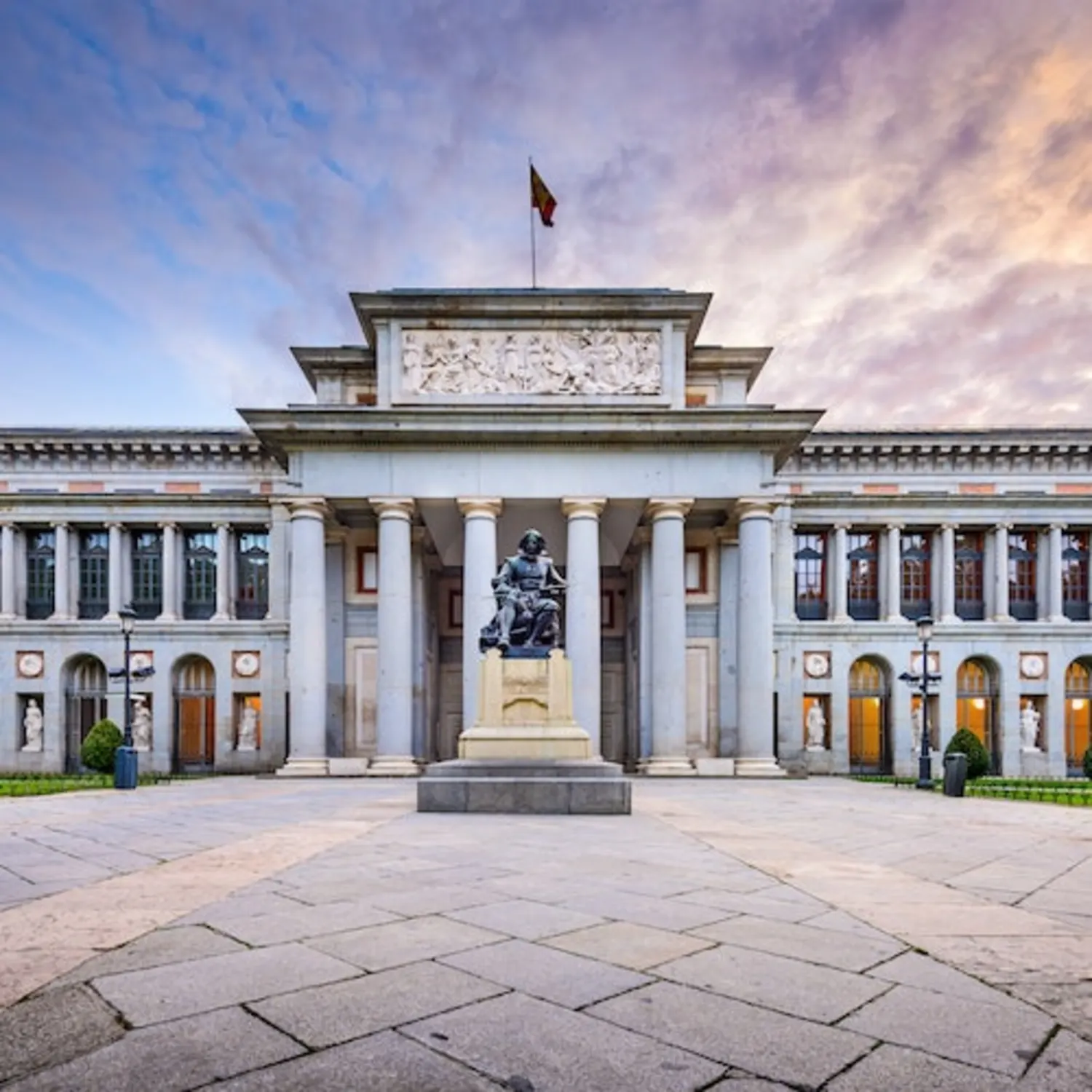
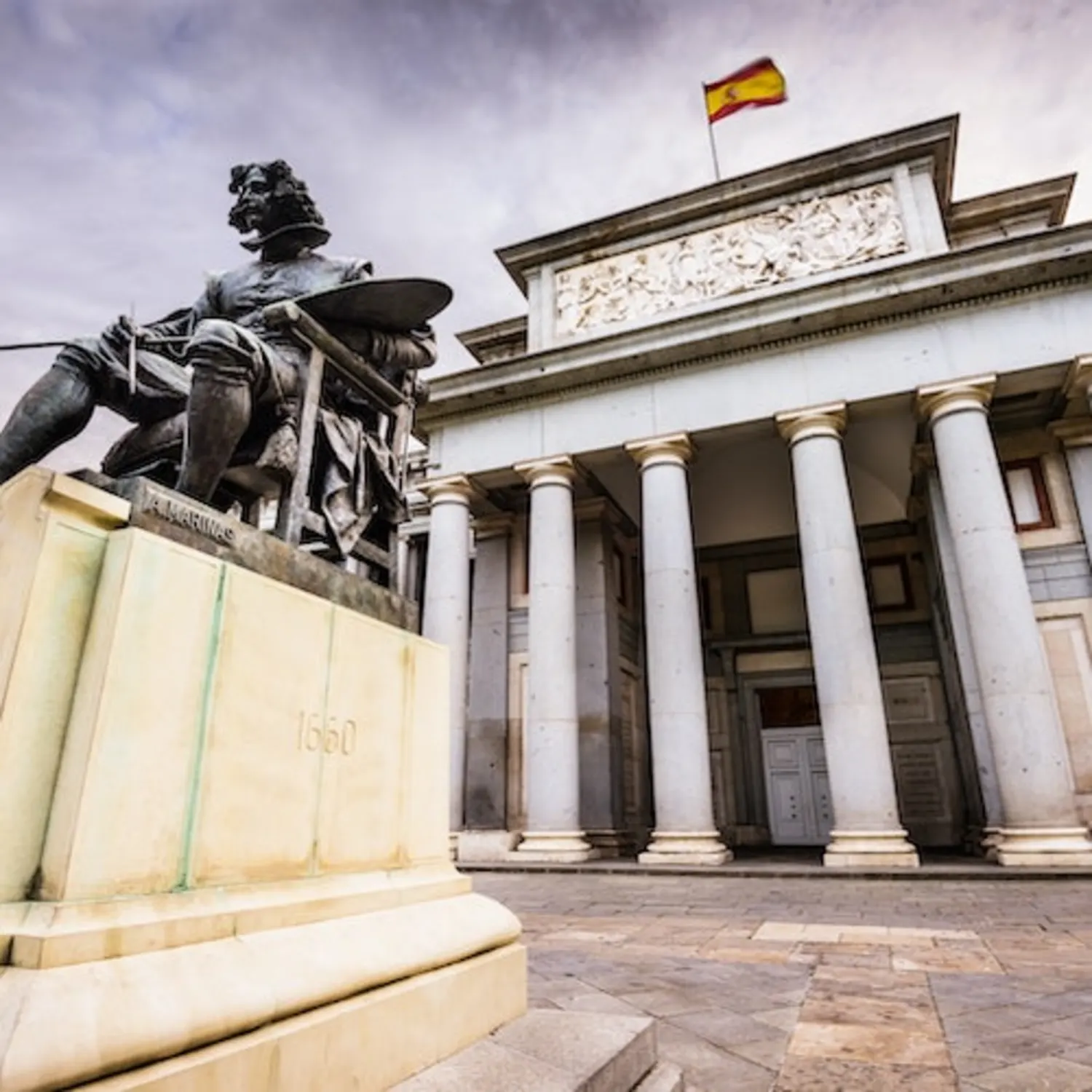
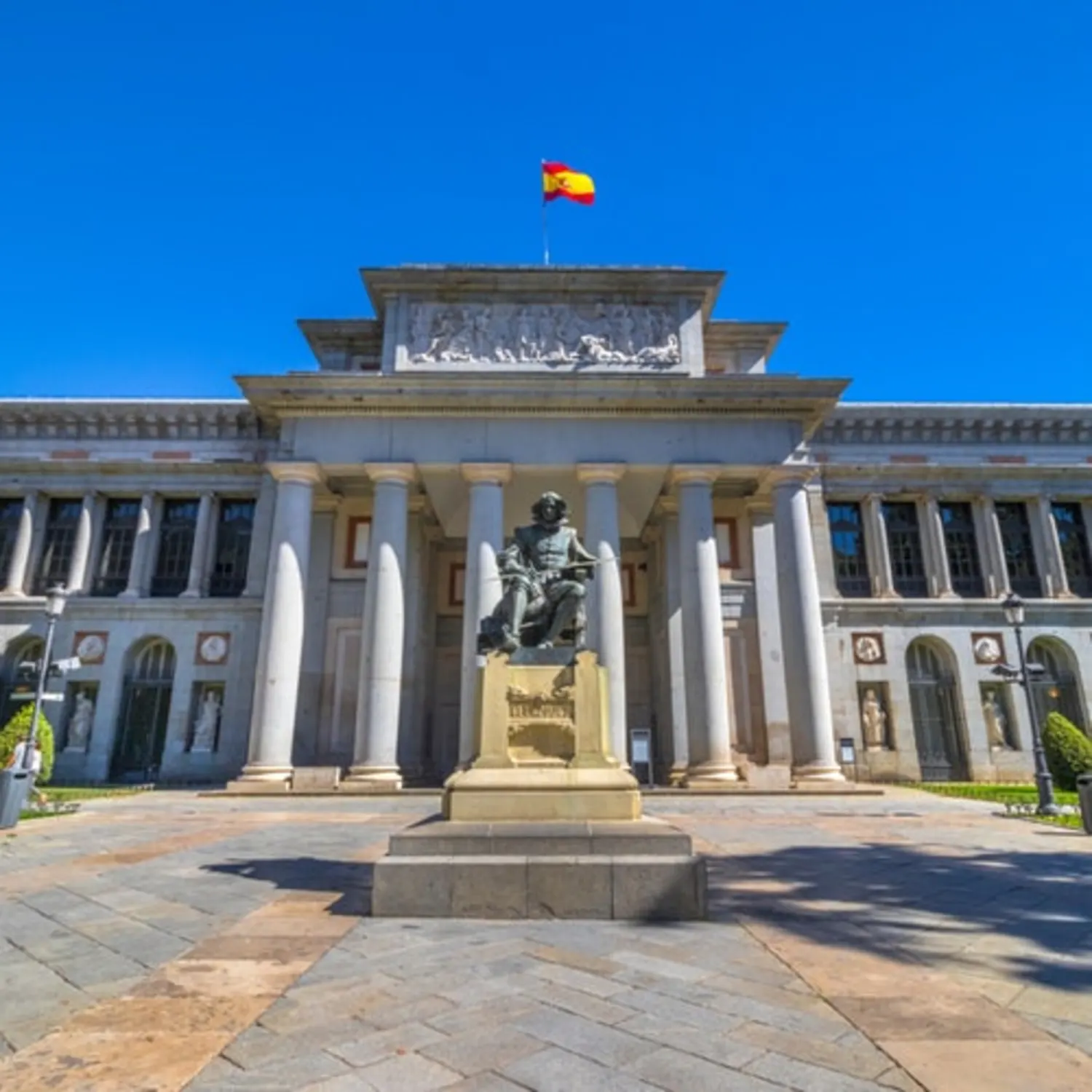
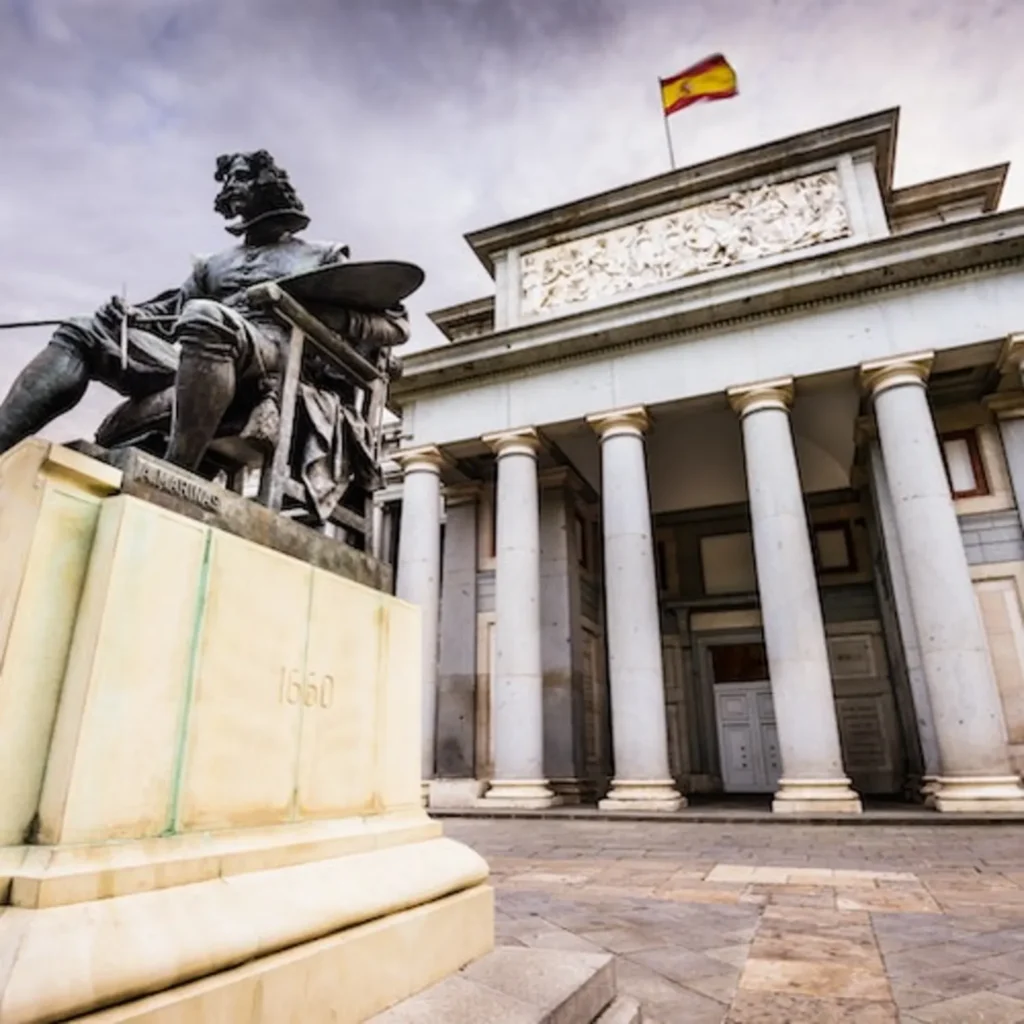
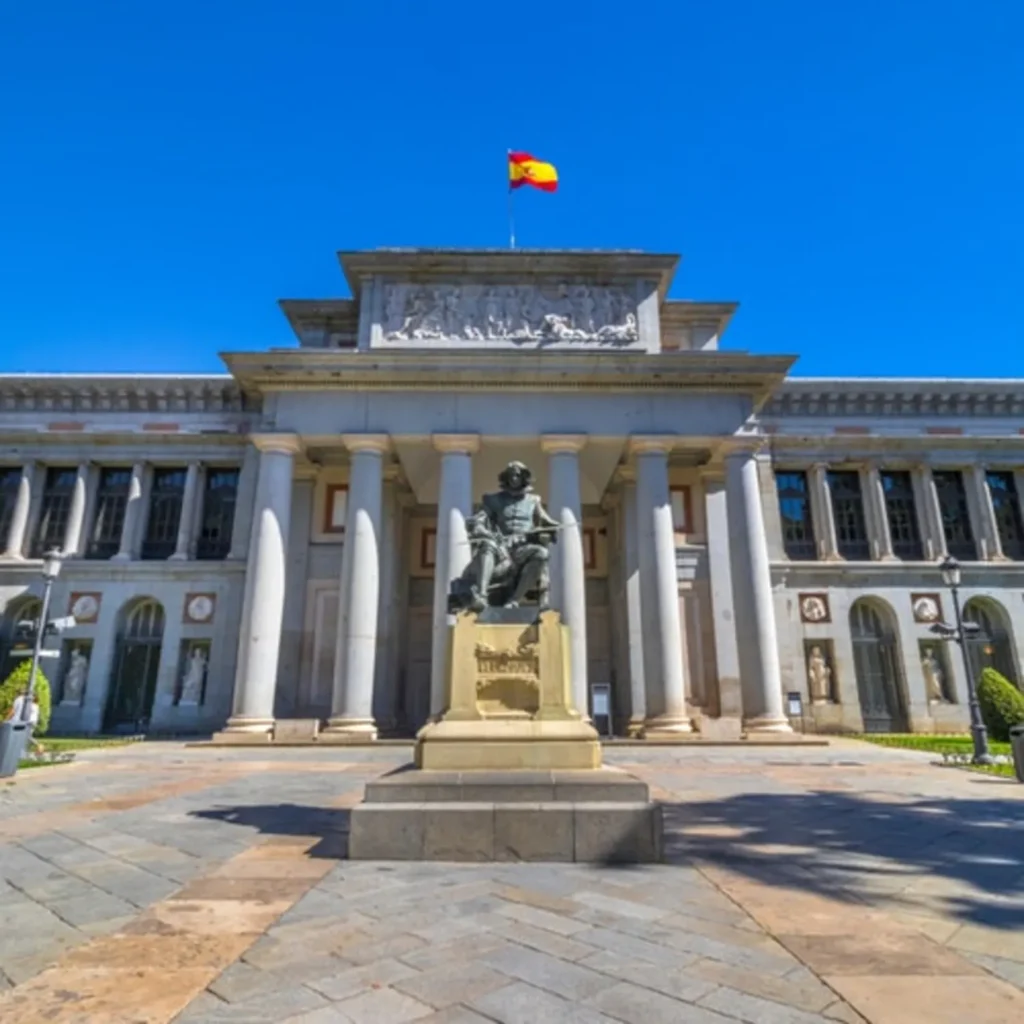
Statue outside the Prado Museum, Madrid

Eugenia Martínez Vallejo, Painted by Carreño de Miranda

In 1680 a six-year-old girl from Bárcena, in the Archdiocese of Burgos, was brought to the court of Charles II. The king's painter portrayed her twice, once dressed and once nude, and both canvases hang together at the Prado.

Eugenia Martínez Vallejo was six years old when she was brought to Madrid in 1680, and her size caused a sensation at court. Charles II ordered that she be dressed in palace fashion and asked his court painter, Juan Carreño de Miranda, for two portraits of her: one clothed, one nude. Separated for more than a century, the pair now hang side by side in the Prado.

Eugenia Martínez Vallejo at a glance

Origin: a source cited by the Prado names the village of Bárcena, in the Archdiocese of Burgos, as her birthplace.

At court: brought to Madrid in 1680, aged six, when she weighed almost 70 kilograms.

Painter: Juan Carreño de Miranda (Avilés, 1614 to Madrid, 1685), court painter to the king from 1671.

The portraits: both around 1680, oil on canvas, 165 x 107 cm (clothed) and 165 x 108 cm (nude).

Reunited: the nude was donated to the Prado in 1939 by José González de la Peña, Baron de Forna.

Where to see them: Room 016A of the Prado.

Who was Eugenia Martínez Vallejo?

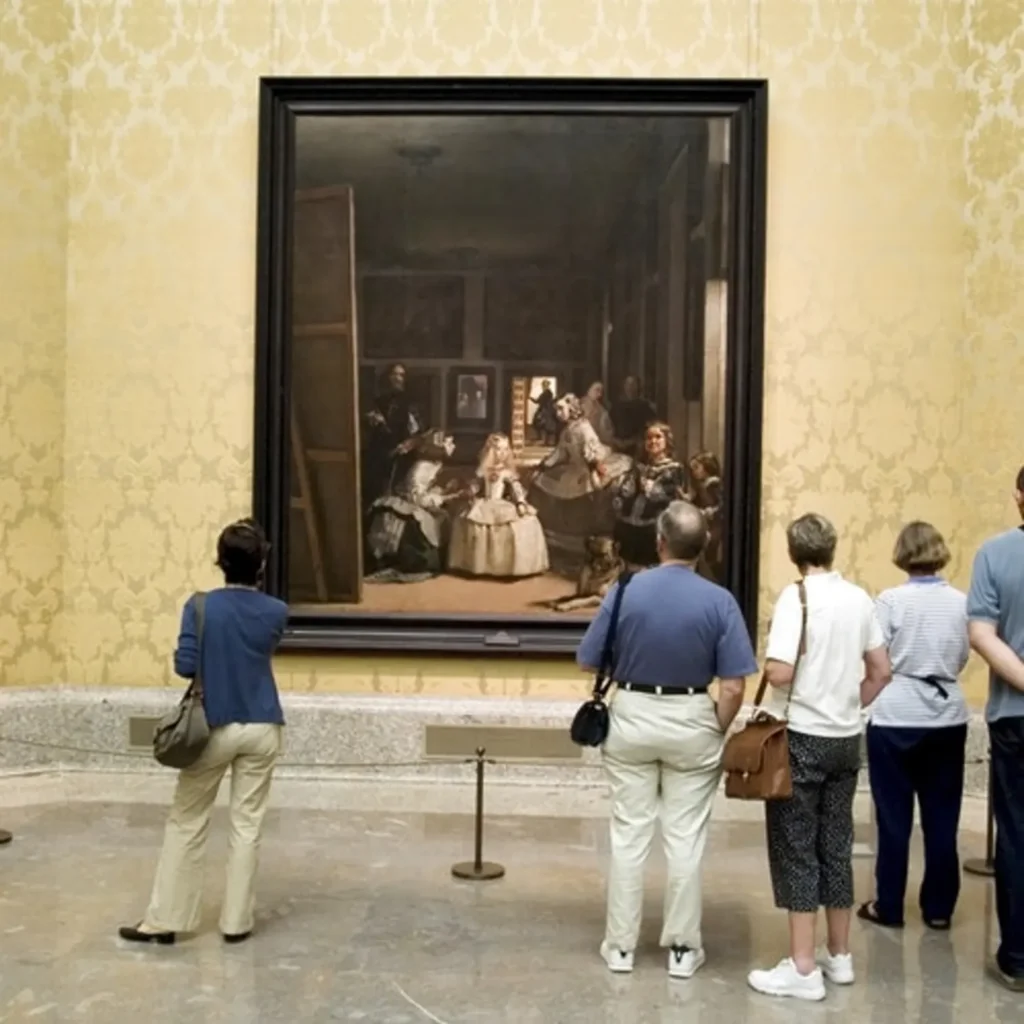
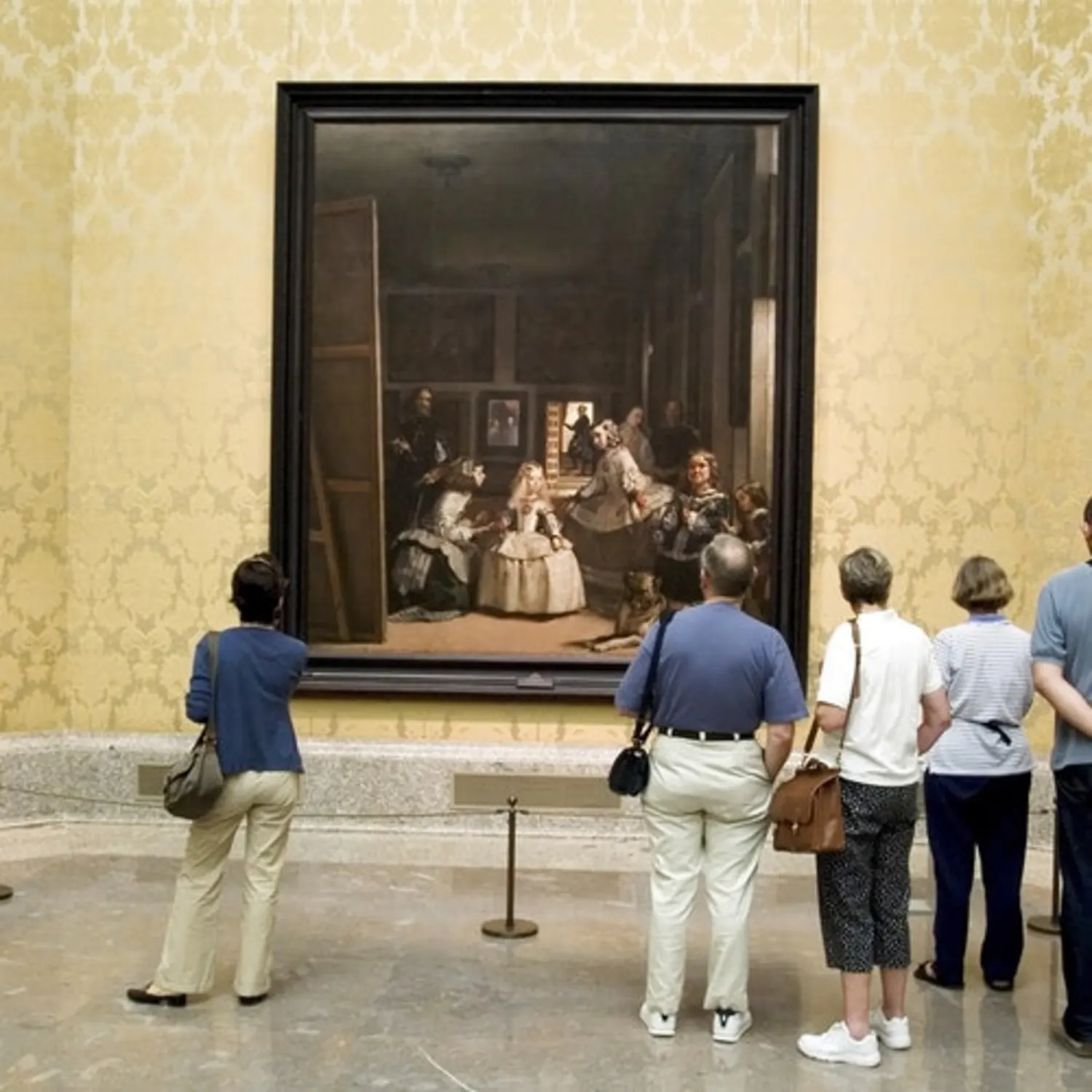
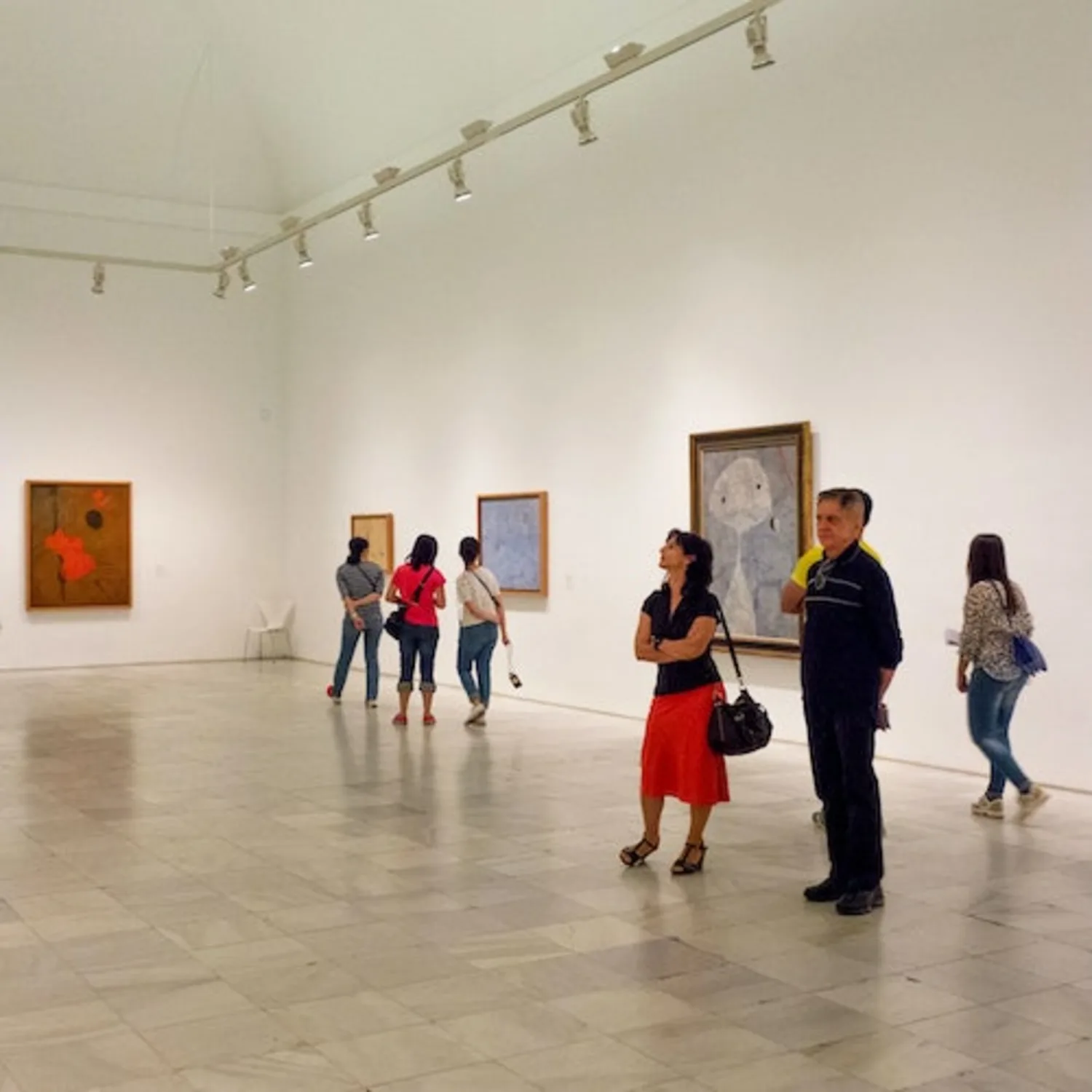
Visitors in front of Las Meninas at the Prado Museum

Eugenia was still a small child when her unusual size and weight became known outside her home. In 1680 she was taken to Madrid, where she caused a sensation. At almost 70 kilograms at the age of six, she was received at the court of Charles II, who had her dressed in the fashion of the palace. Modern writers have suggested that a hormonal disorder, such as Cushing's syndrome, may explain her size, but the Prado presents this only as a hypothesis. What the record does show is that the king wanted her image preserved, and he chose his own painter for the task.

Two portraits by the king's painter

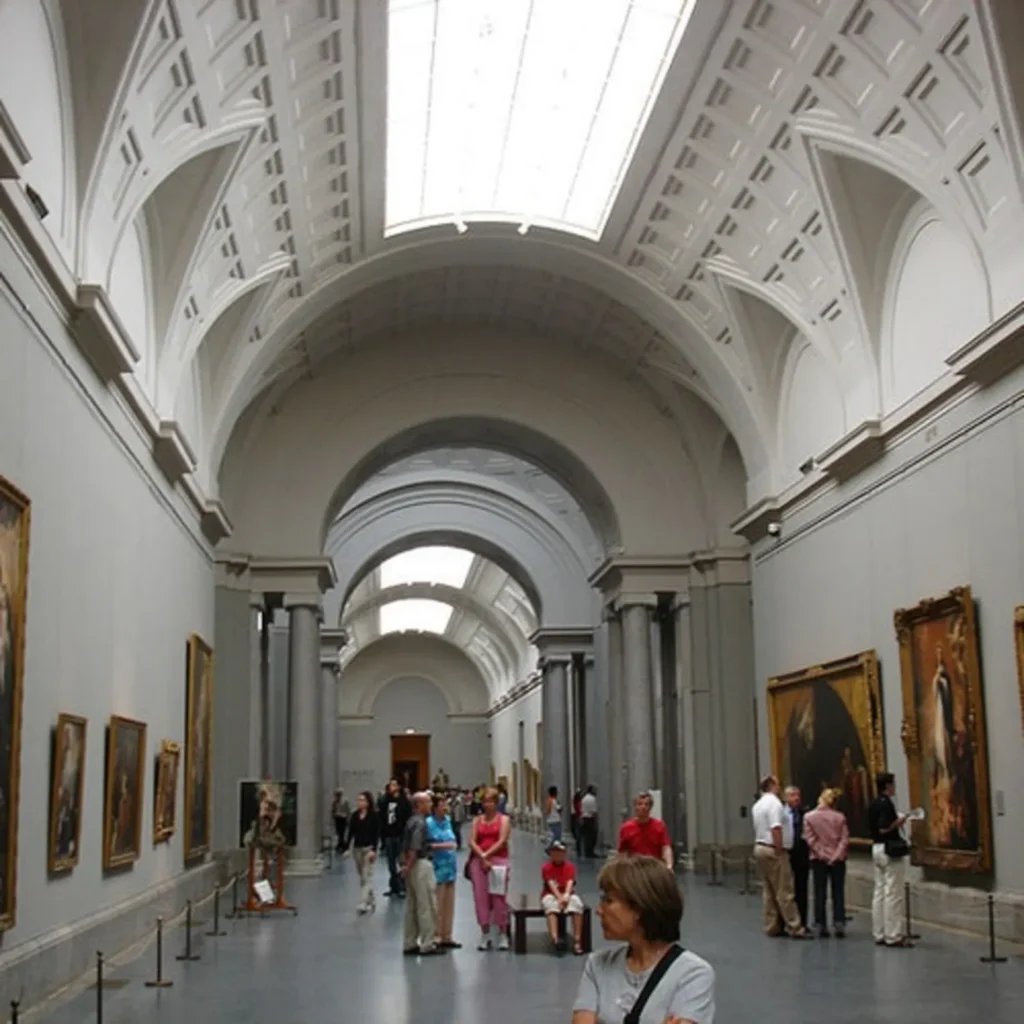
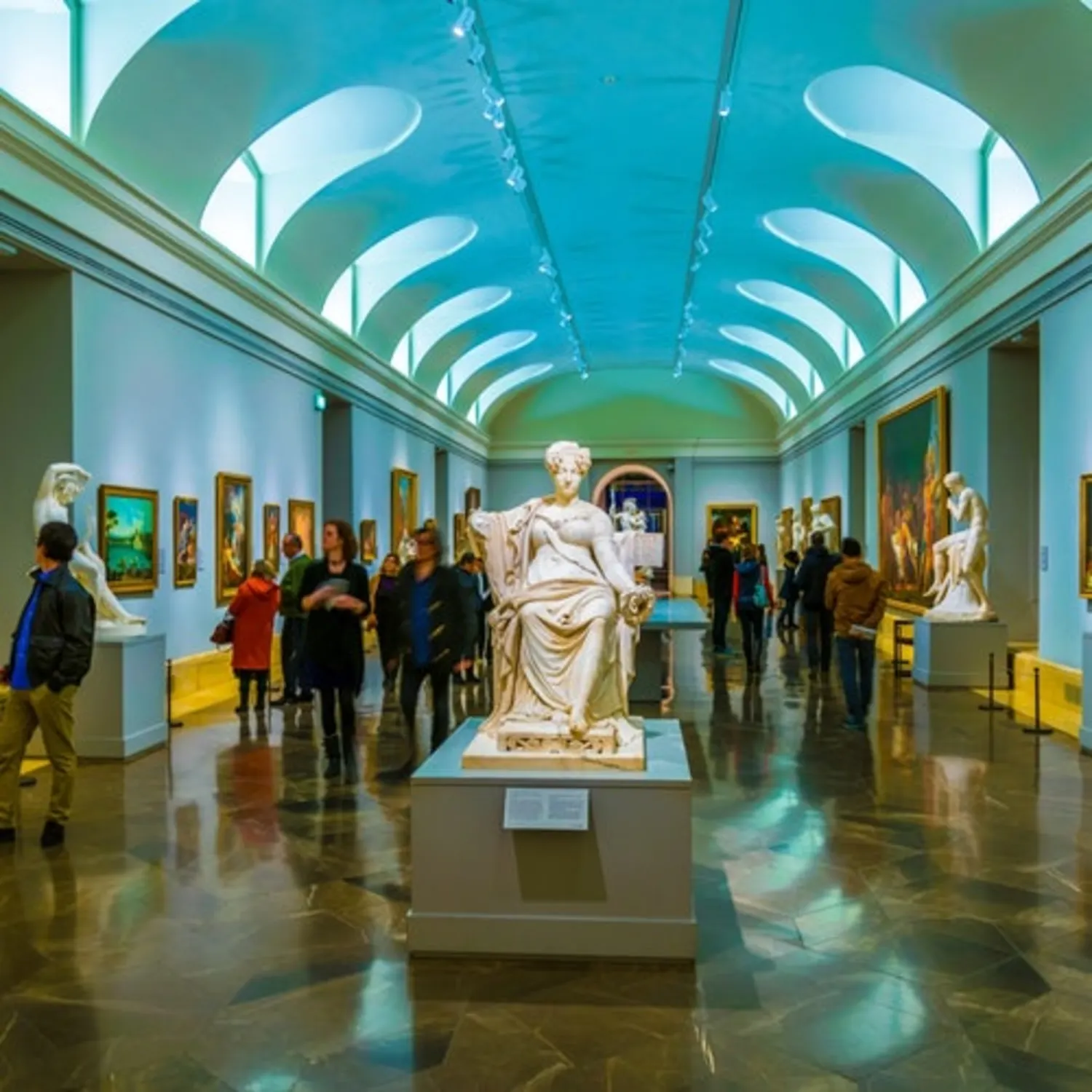
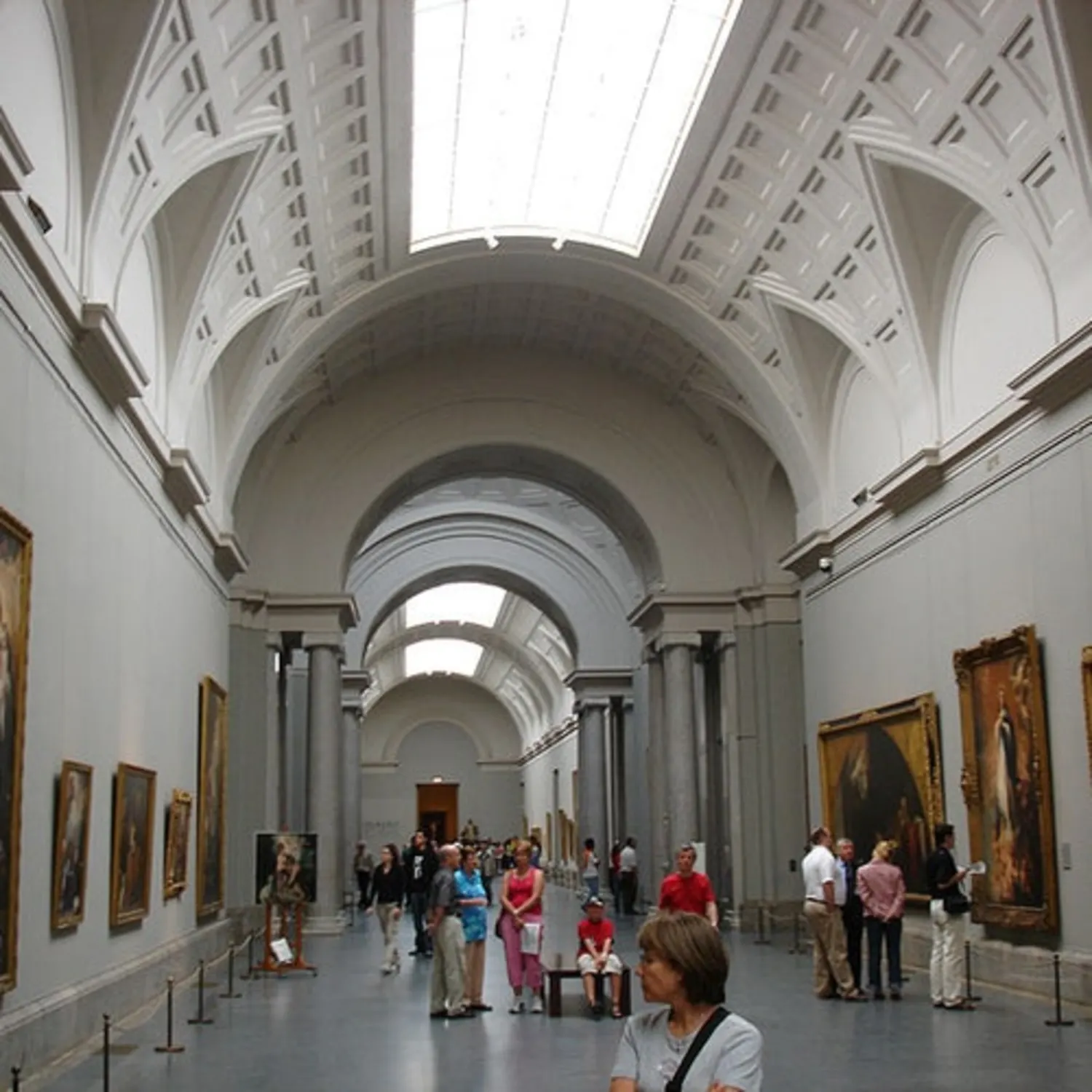
The Central Gallery of the Prado Museum

Juan Carreño de Miranda had been court painter since 1671, and an old account quoted by the Prado calls him “the second Apelles of our Spain”, comparing him to the great painter of antiquity. In the clothed portrait, Eugenia stands in a luxurious scarlet dress, presented with all the formality of a court portrait. In the nude, Carreño turns her into a figure from mythology, close to Bacchus or Silenus: she wears a crown of vine leaves and fruit, leans on a base covered with grapes and holds a bunch of grapes in front of her. Carreño probably still had both canvases in his workshop when he died in 1685.

Separated and reunited

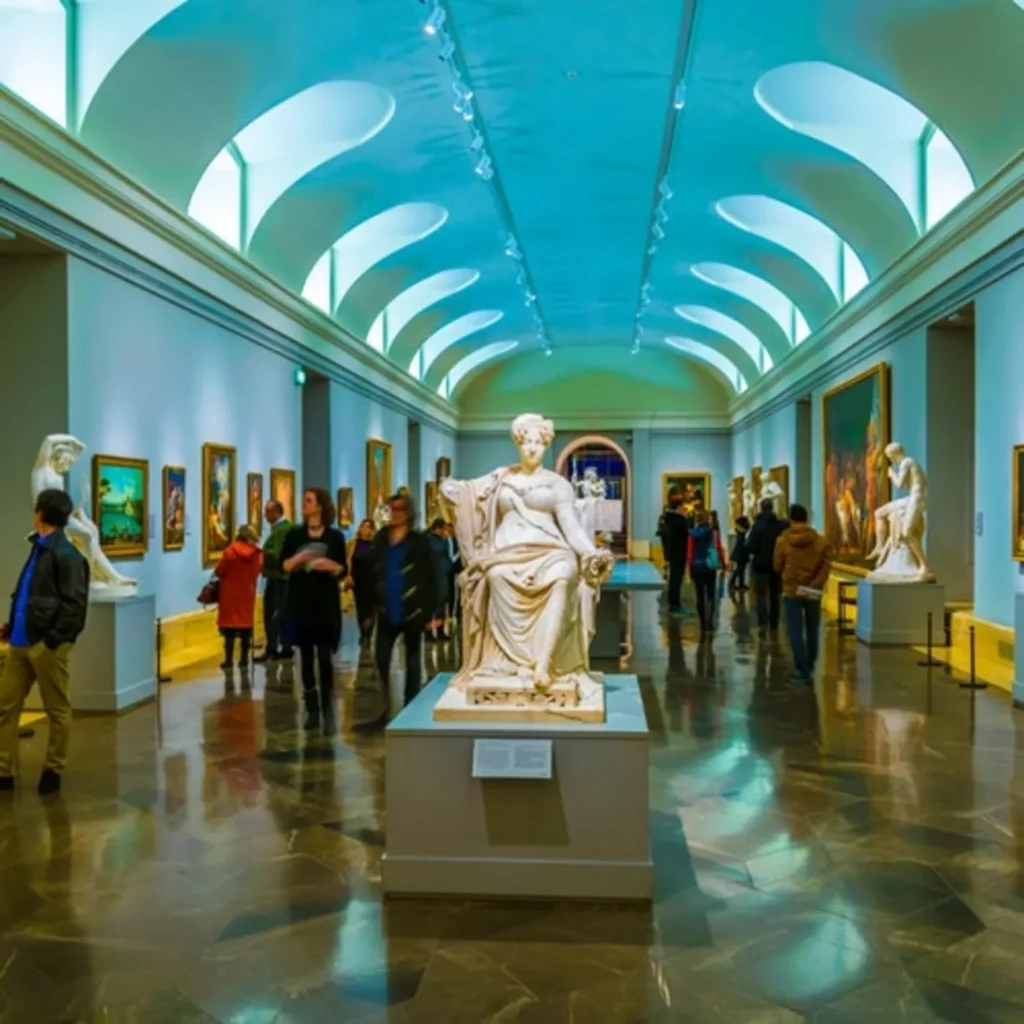
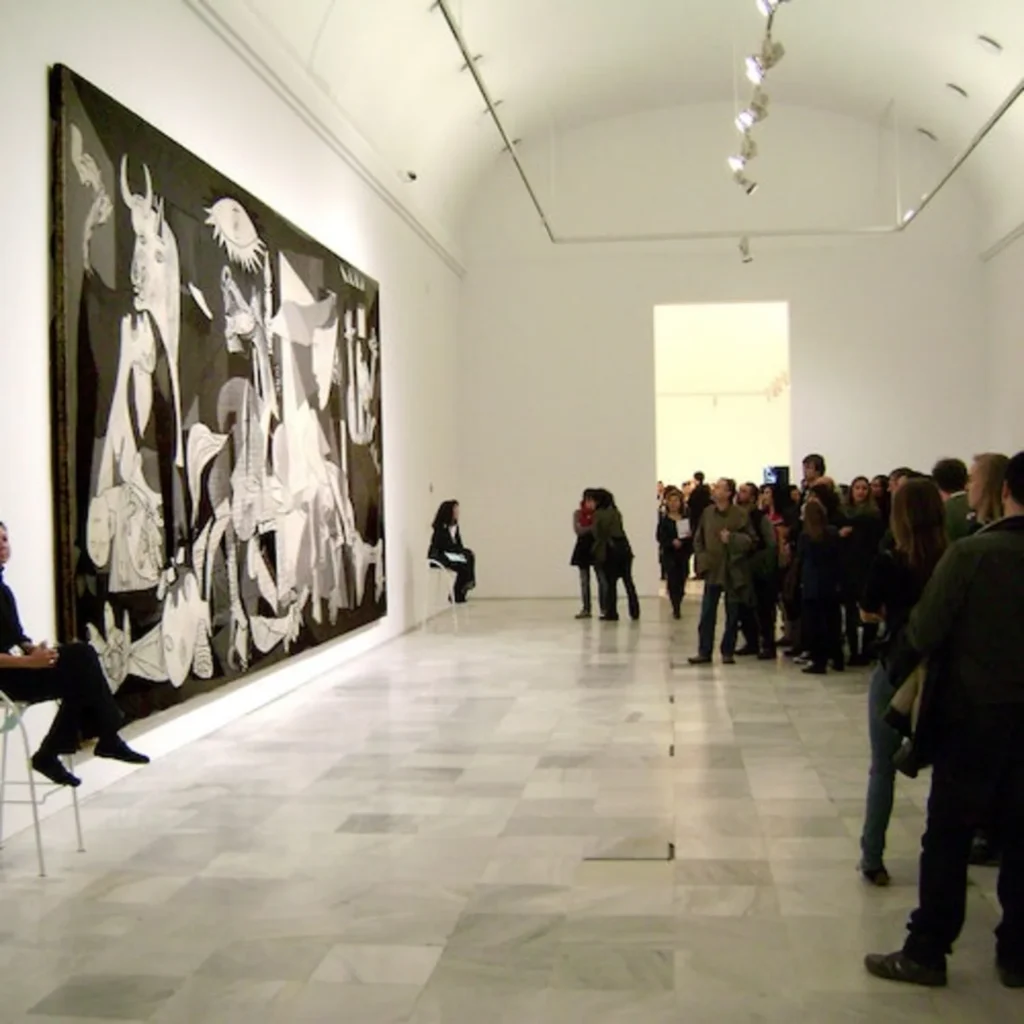
Sculpture gallery inside the Prado Museum

Both portraits stayed in the royal collection for nearly 150 years, first in the Alcázar of Madrid in 1686 and later in the Zarzuela Palace. When the Prado selected works from the royal collection in 1827, the clothed portrait entered the museum and the nude was given away. One account says Ferdinand VII gave it to the painter Juan Gálvez, who sold it to the Infante Sebastián Gabriel. It then passed to his son, the Duke of Marchena, and later to José González de la Peña, Baron de Forna. In 1939 the baron donated it to the Prado, reuniting the two portraits after more than a century apart.

4.7
(30)

Prado Museum Tickets

Highlights

Explore masterpieces by renowned Spanish and international artists.

Enjoy direct entry to the museum’s permanent collection through a dedicated entrance.

Discover over 1,500 artworks on display from a vast collection exceeding 7,000 pieces.

Avoid long queues with this entry ticket.

Experience one of the world’s leading art museums, comparable to the Louvre and the Met.
4.7
(9)

Prado and Reina Sofía Museums: Skip-the-Line + Guided Tour Ticket

Highlights

Avoid waiting in line at both museums.

Join a knowledgeable guide who speaks Spanish.

Discover iconic Spanish artworks from the 16th to 20th centuries.

Enjoy a comprehensive 4-hour tour covering major masterpieces.

Visit both the Prado and Reina Sofía museums in one trip.
4.7
(21)

Prado, Reina Sofia and Thyssen: Paseo del Arte Season Tickets

Highlights

Avoid lengthy queues with express access.

Visit three top museums located close to each other.

Save up to 20% compared to individual ticket purchases.

Experience some of the world’s finest art collections.

Flexible entry times and dates for your convenience.
See both portraits together

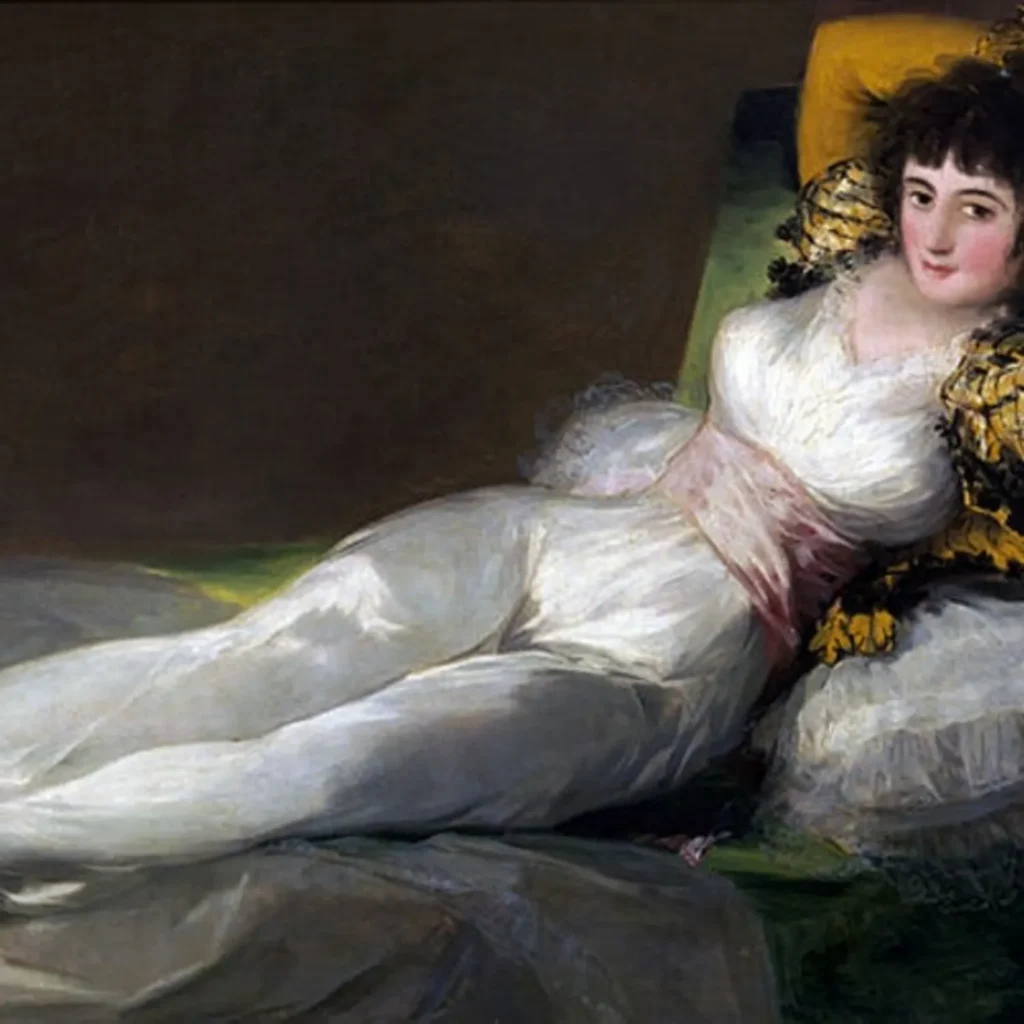
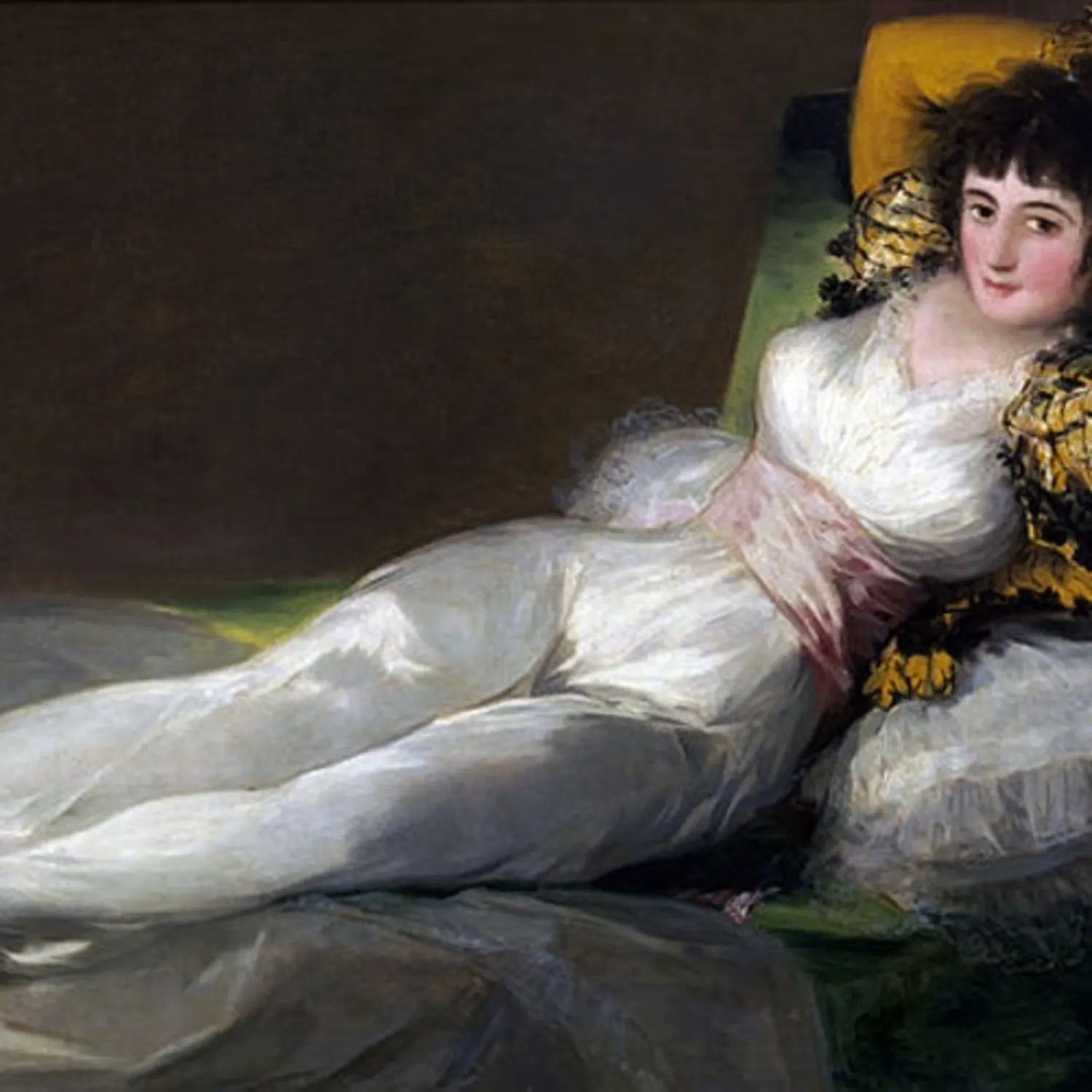
Stand between the two canvases and compare how Carreño paints the same face in two very different roles. The pair is often compared with Goya's two reclining women, painted more than a century later: La Maja Desnuda and its clothed companion.

Eugenia Martínez Vallejo FAQs

Who was Eugenia Martínez Vallejo?

A girl from Bárcena, in the Archdiocese of Burgos, who was brought to the court of Charles II in 1680, aged six. Her size and weight, almost 70 kilograms, made her famous in Madrid, and the king had her portrait painted twice.

Who painted Eugenia Martínez Vallejo?

Juan Carreño de Miranda, court painter to Charles II from 1671. He painted her around 1680, once clothed and once nude.

Where are the portraits of Eugenia Martínez Vallejo?

Both hang in Room 016A of the Museo Nacional del Prado in Madrid.

Why are there two portraits of Eugenia Martínez Vallejo?

Charles II commissioned both: a clothed state portrait and a nude in which she appears with the attributes of Bacchus, crowned with vine leaves and holding grapes.

Did Eugenia Martínez Vallejo have a medical condition?

Some writers have suggested a hormonal disorder such as Cushing's syndrome. The Prado mentions this only as a hypothesis, and it cannot be confirmed.

How did both portraits end up in the Prado?

The clothed portrait entered the Prado in 1827. The nude left the royal collection, passed through several owners and was donated to the museum in 1939 by the Baron de Forna.

About this guide

This website offers official tickets for the venues listed, sold by Tourism Tickets. Please note, however, that it is not the official website of any of these venues.

The images and videos on this website may contain visual elements that have been created or enhanced using AI technology. They are provided for illustrative purposes only.