We are processing your request.
Please, don’t close or refresh the page.
Madrid Tickets Museo Del Prado Goya Black Paintings
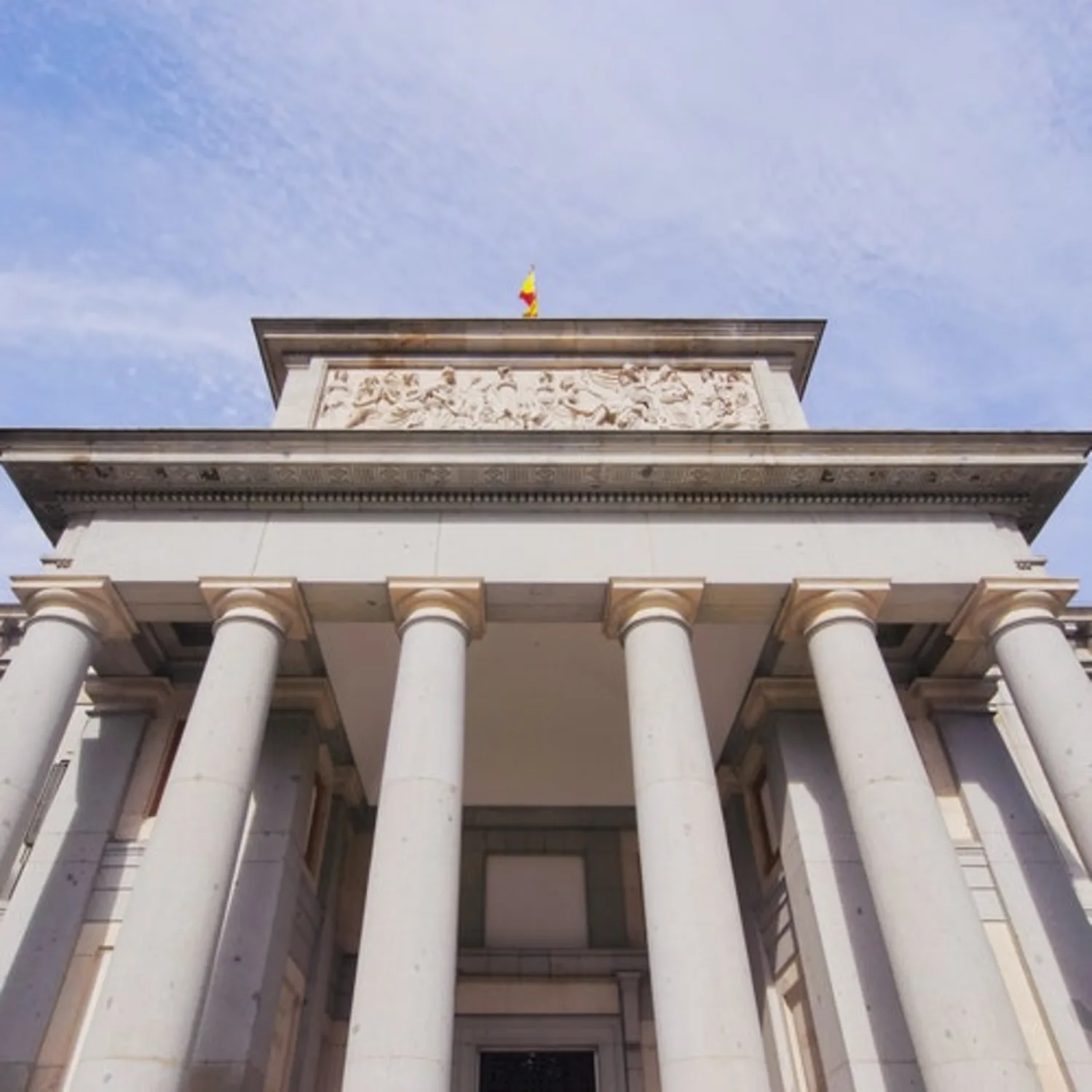
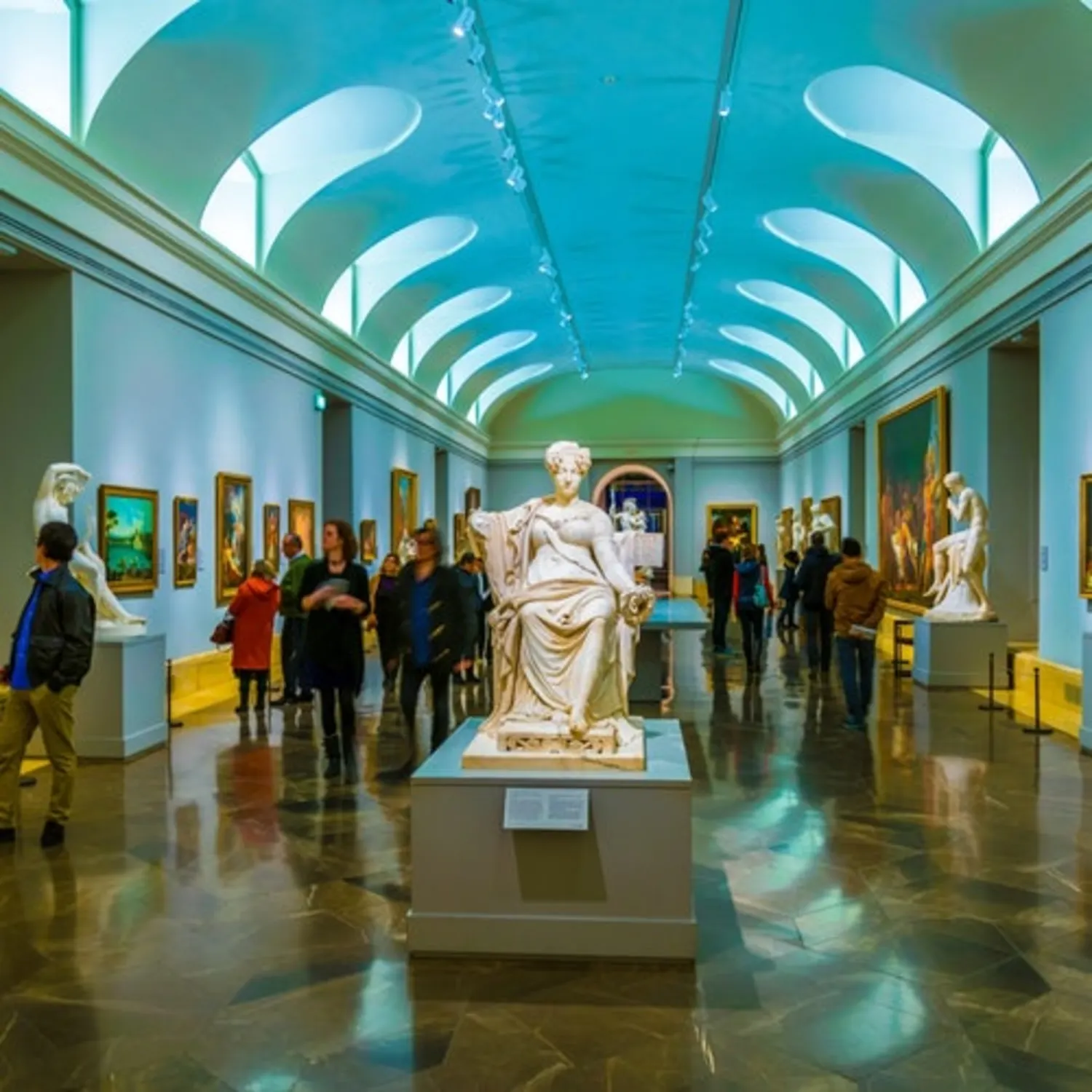
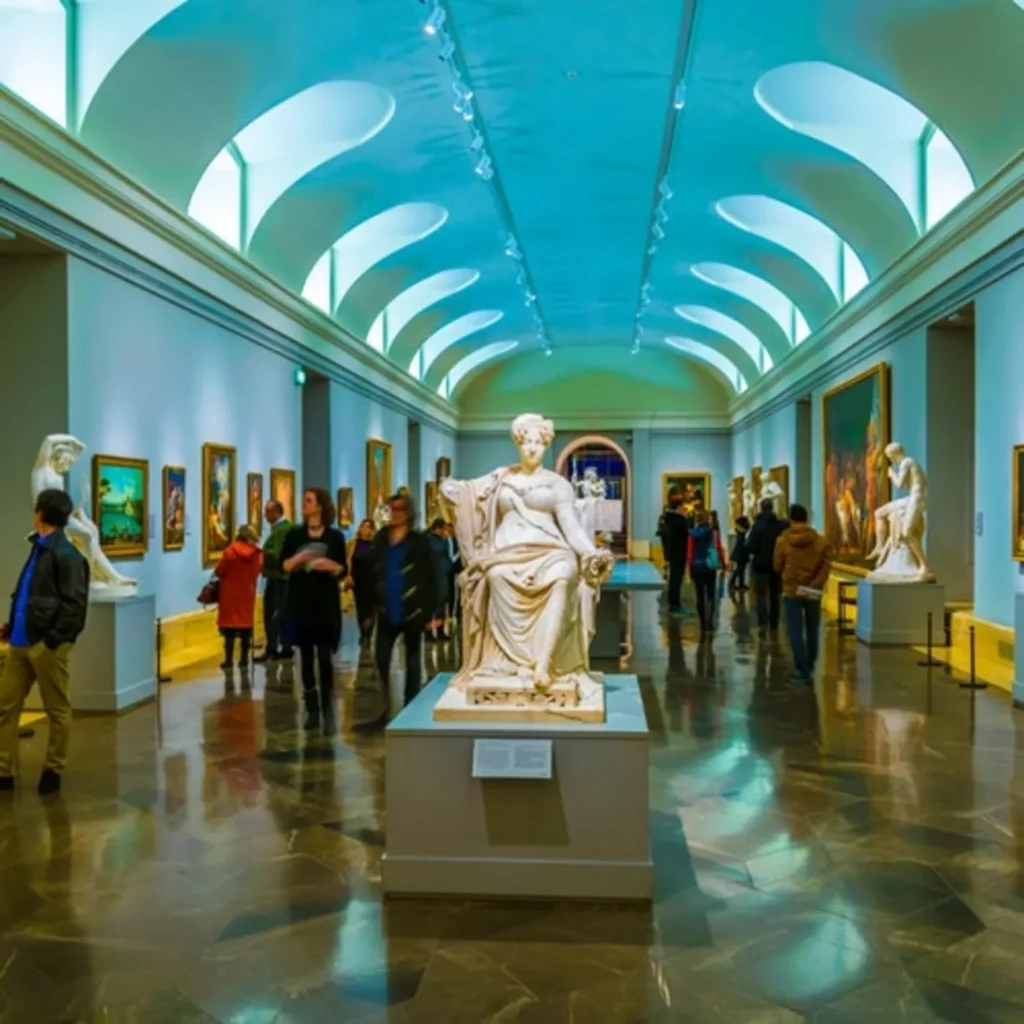
Sculpture gallery inside the Prado Museum

Goya's Black Paintings: Saturn, The Dog and the Quinta del Sordo

Fourteen scenes that Goya painted straight onto the walls of his own country house outside Madrid, around 1820 to 1823. Taken down, transferred to canvas and given to the state, they now fill Room 067 of the Prado.

In 1819 Goya bought a country house beside the Manzanares river, known as the Quinta del Sordo. Over the next few years he covered the walls of two of its rooms, one on each floor, with fourteen dark, unsettling scenes. They include Saturn Devouring His Son and the lonely Dog. Their meaning is still debated, and in 1823 Goya handed the house to his grandson Mariano before leaving for France.

The Black Paintings at a glance

Number: fourteen paintings, spread across the ground floor and the upper floor of the house.

Date: about 1819 to 1823, after Goya bought the Quinta del Sordo in 1819.

Technique: painted in oil and mixed media directly on the walls, then transferred to canvas in 1874 by the Prado restorer Salvador Martínez Cubells.

Owner: Baron Frédéric Émile d'Erlanger, who bought the house in 1873 and donated the paintings to the Spanish state in 1881.

On view at the Prado: since 1889.

Where to see them: Room 067.

Saturn Devouring His Son

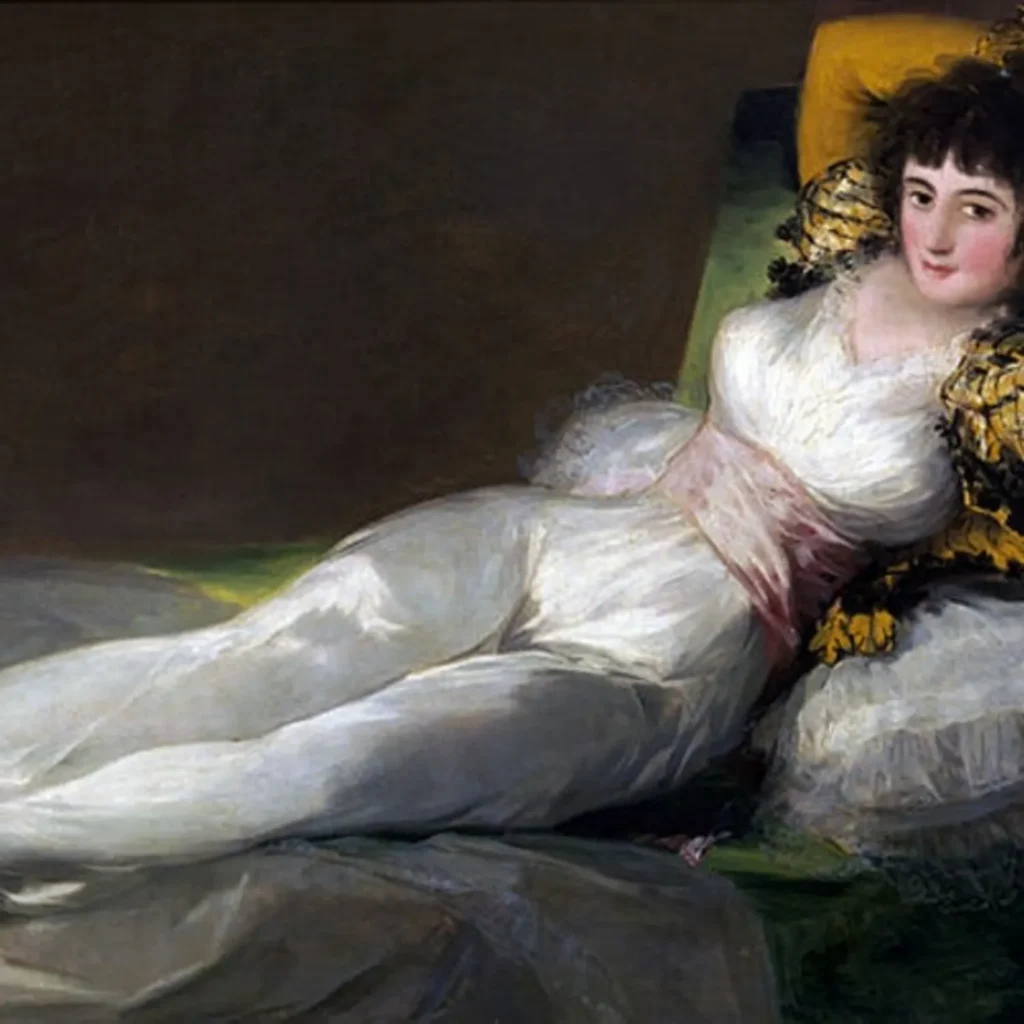
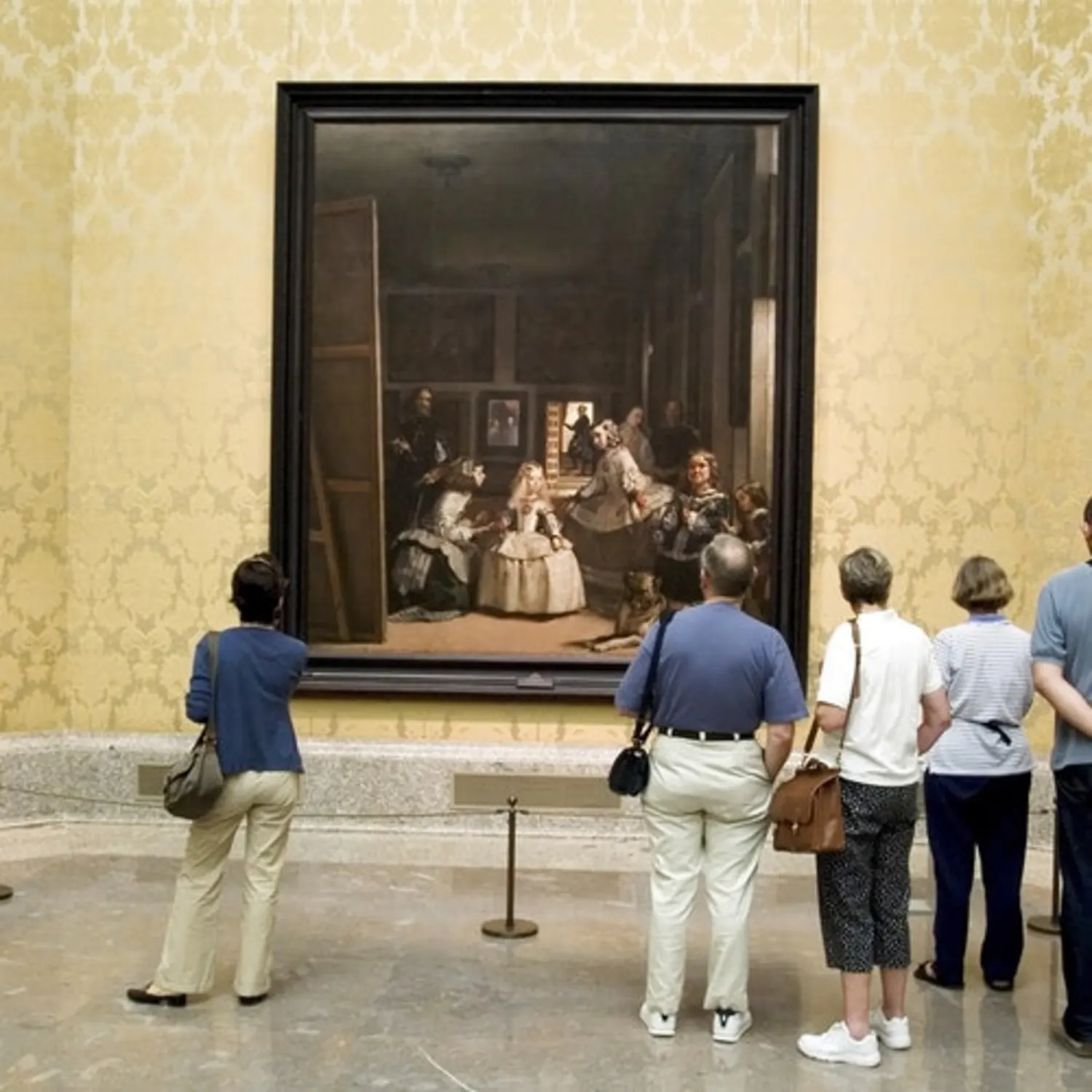
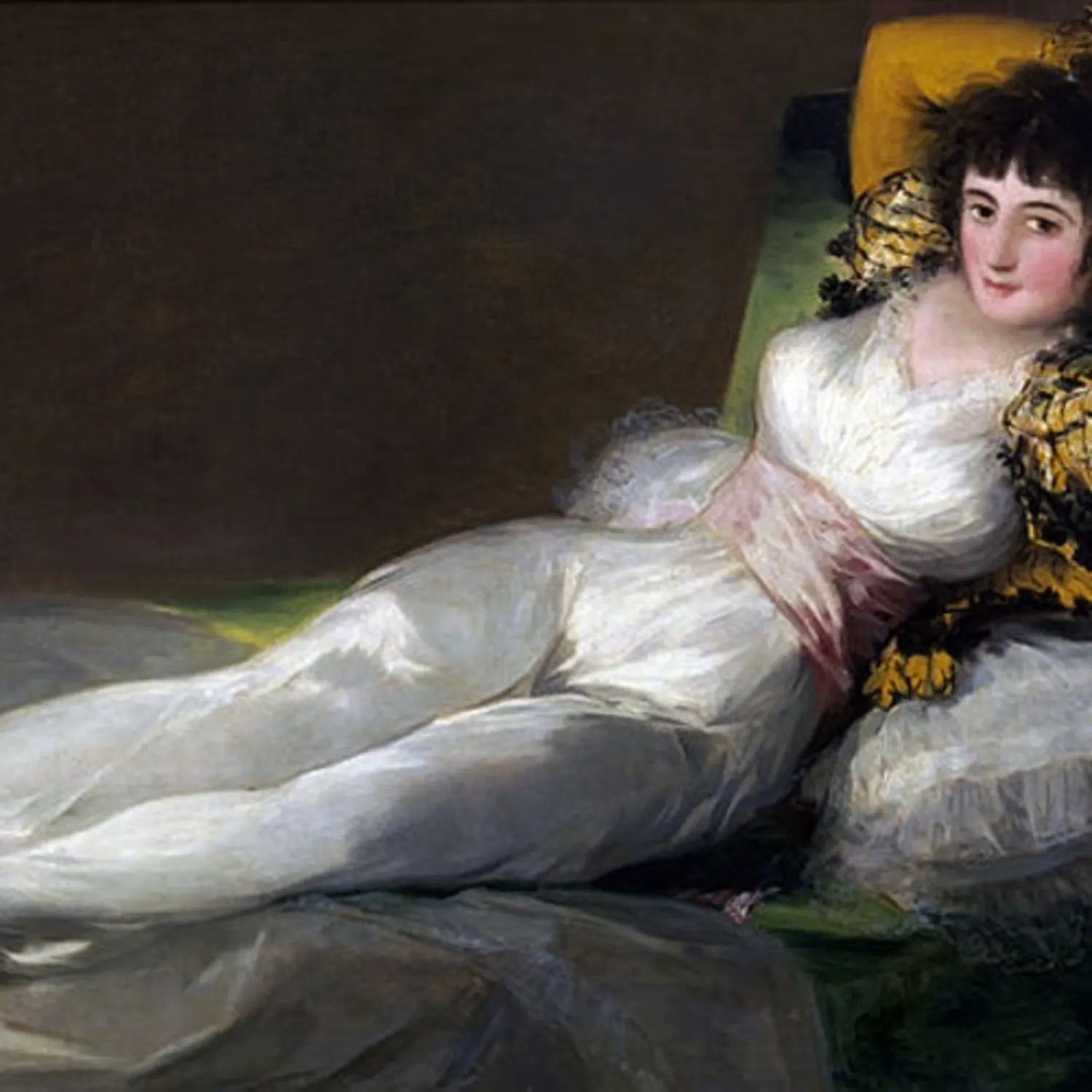
Goya's The Clothed Maja on display at the Prado Museum

The best known of the series hung on the ground floor, the room often called infernal. Saturn, the god of time, devoured his children at birth; only the youngest, Jupiter, was saved and later overthrew him. Goya shows the moment he tears a body apart with his bare hands, blood running between his fingers, his face wild against a dark, unreal background. The Prado's encyclopedia notes that the victim may be a young woman rather than a son. Goya knew Rubens's version of the myth, which also hangs in the Prado, in Room 079, but where Rubens follows tradition, Goya stresses the god's cruelty and aggression. Its simple, near-abstract handling later influenced painters such as Francis Bacon.

The Dog

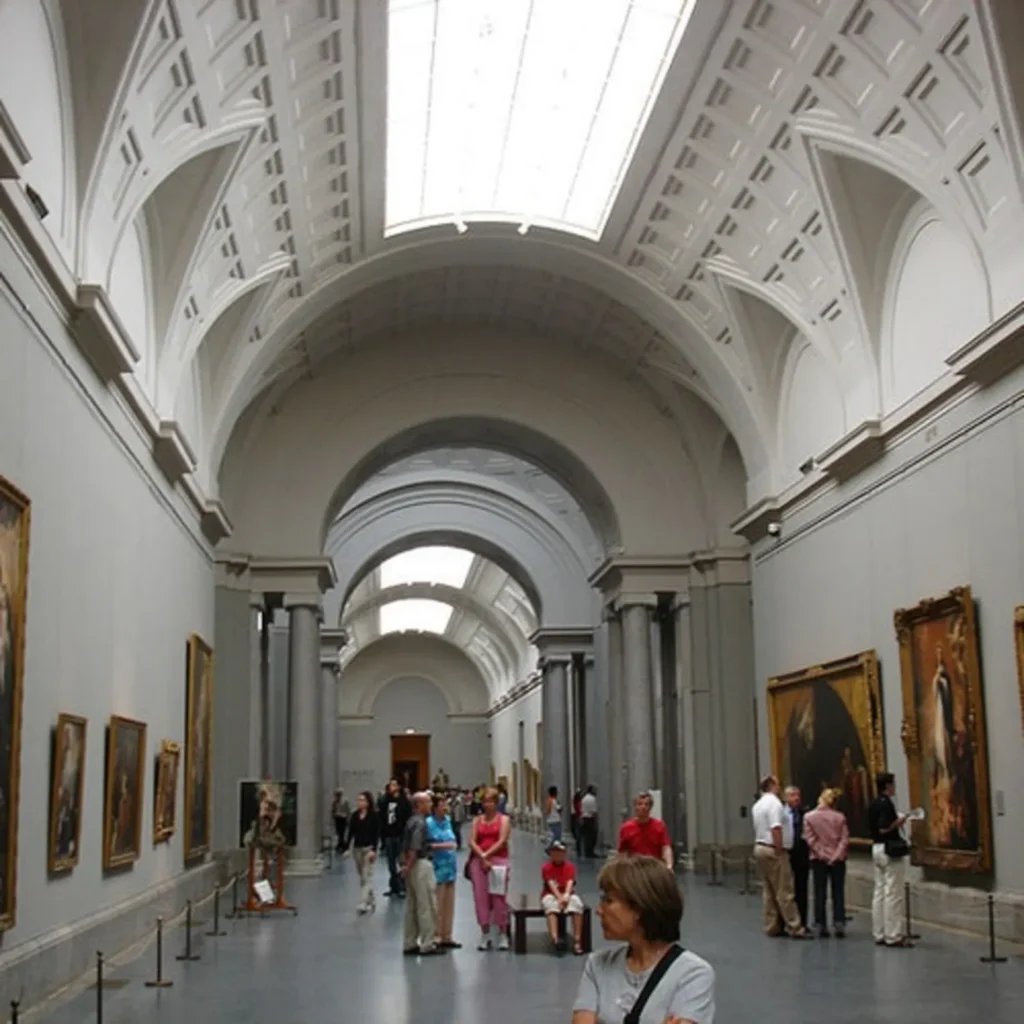
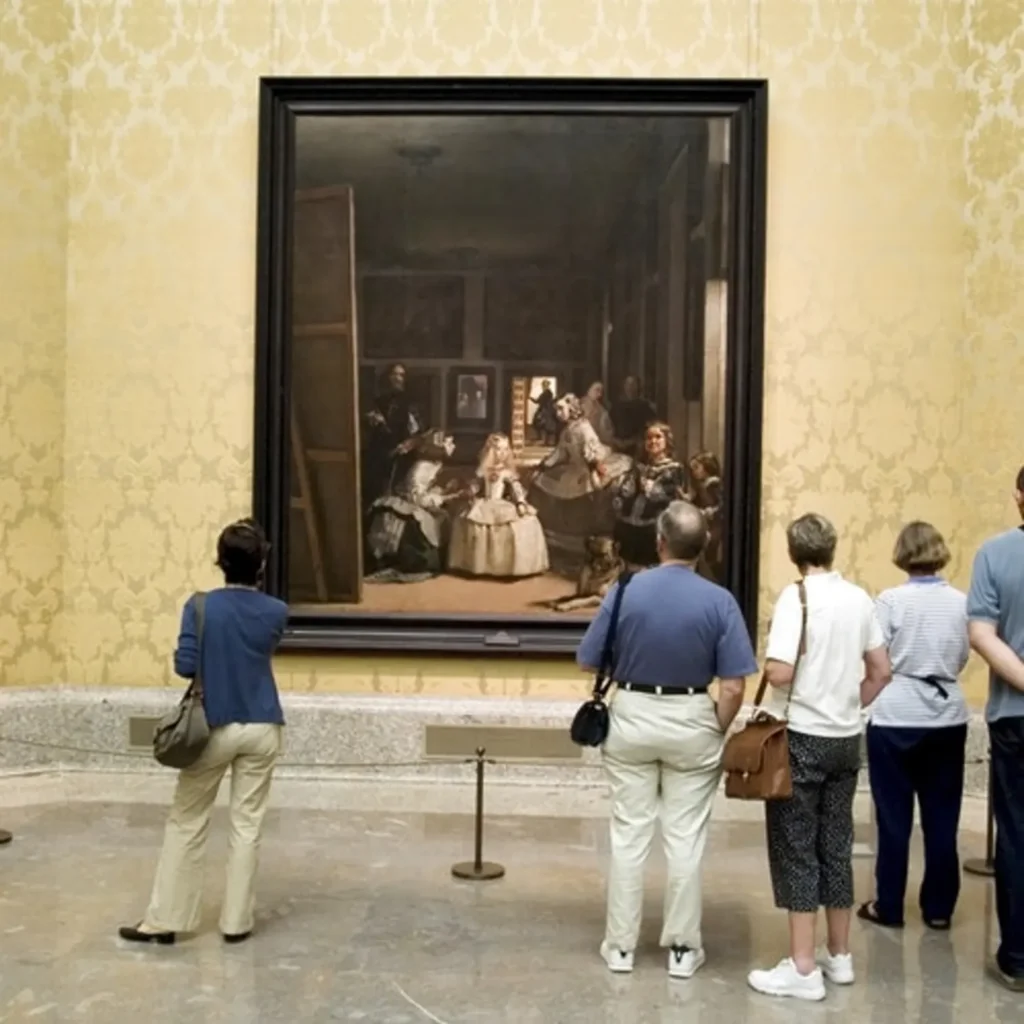
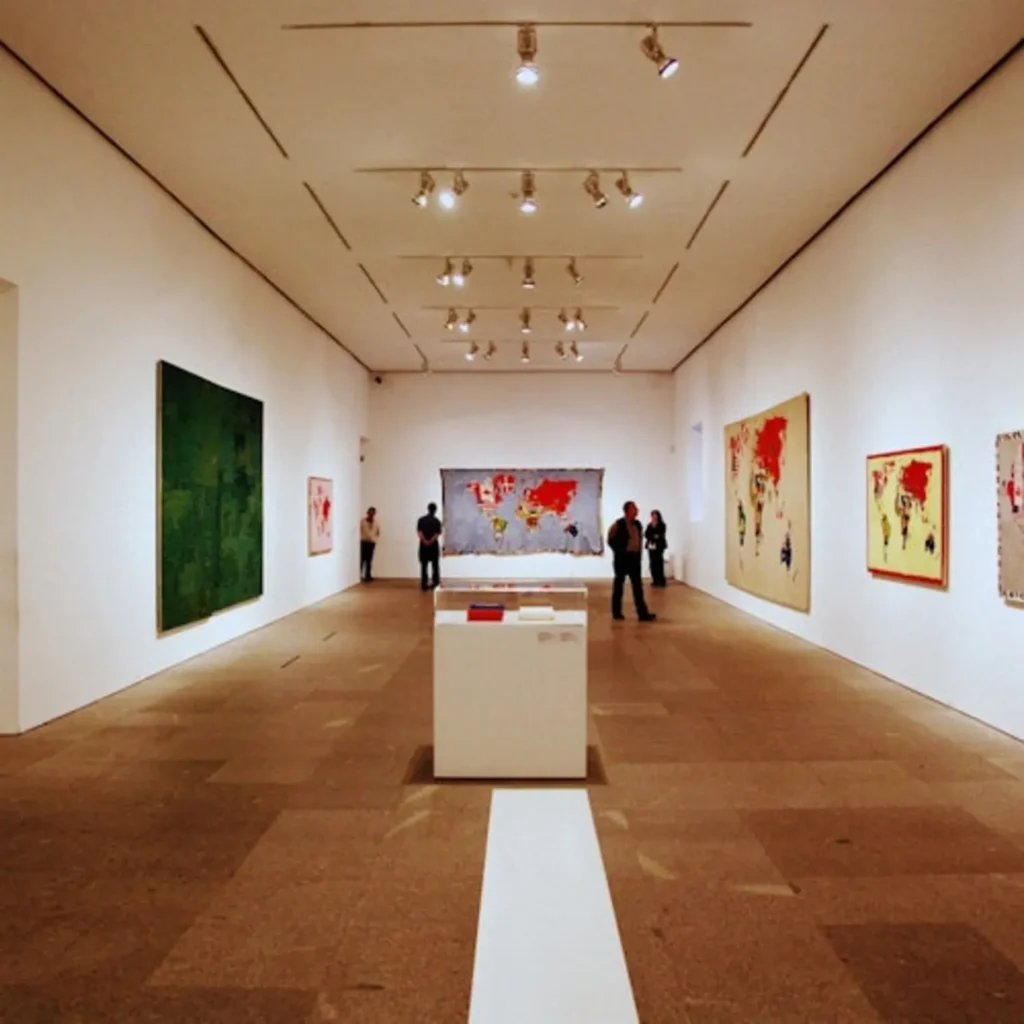
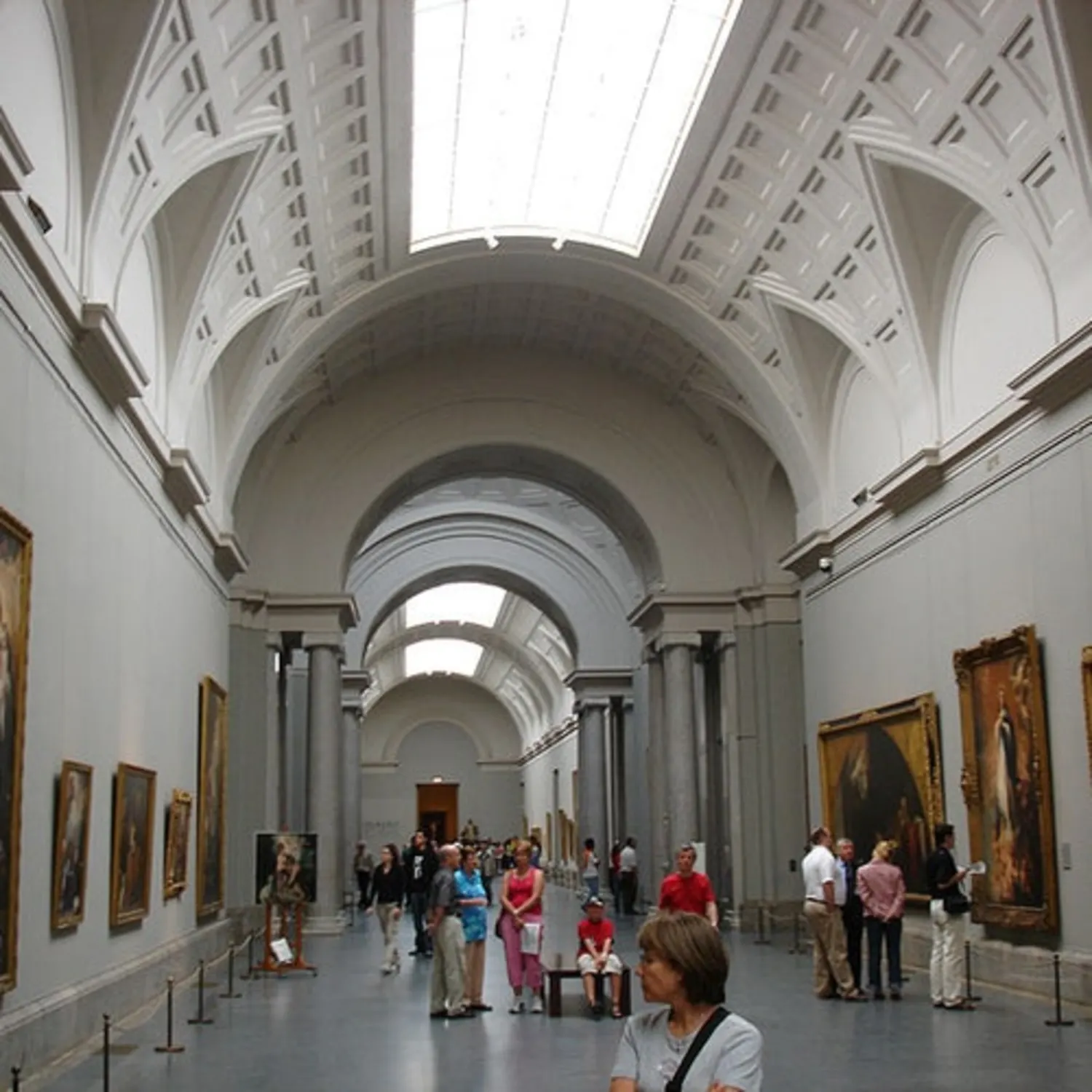
The Central Gallery of the Prado Museum

On the upper floor, beside the door, Goya painted the head of a dog looking up into a vast, bleak and empty space. With only a few brushstrokes and almost nothing else on the canvas, it is the most enigmatic image in the house. Part of the mystery comes from damage. A photographic negative taken by Laurent before the transfer led the scholar Arnaiz to suggest that the dog was looking at two birds in the sky, though the image is not conclusive.

From farmhouse walls to Room 067

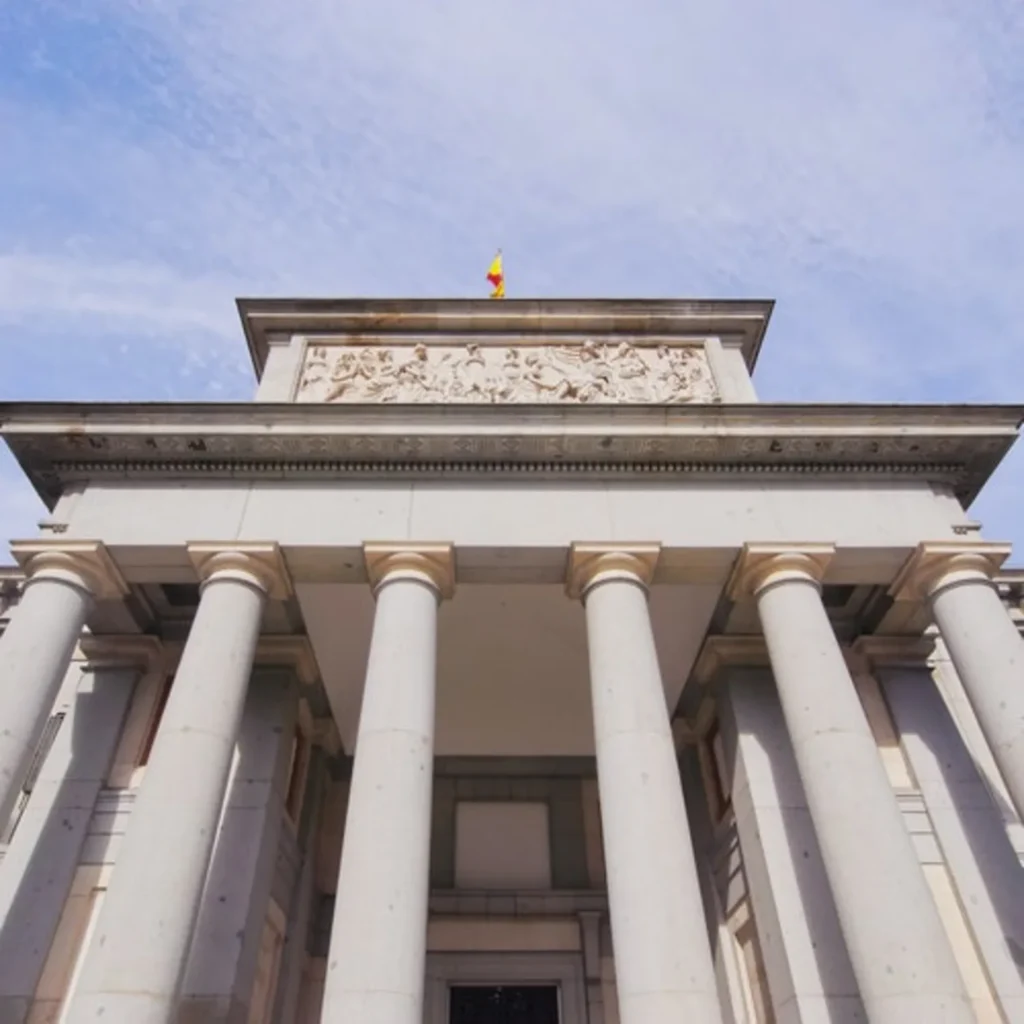
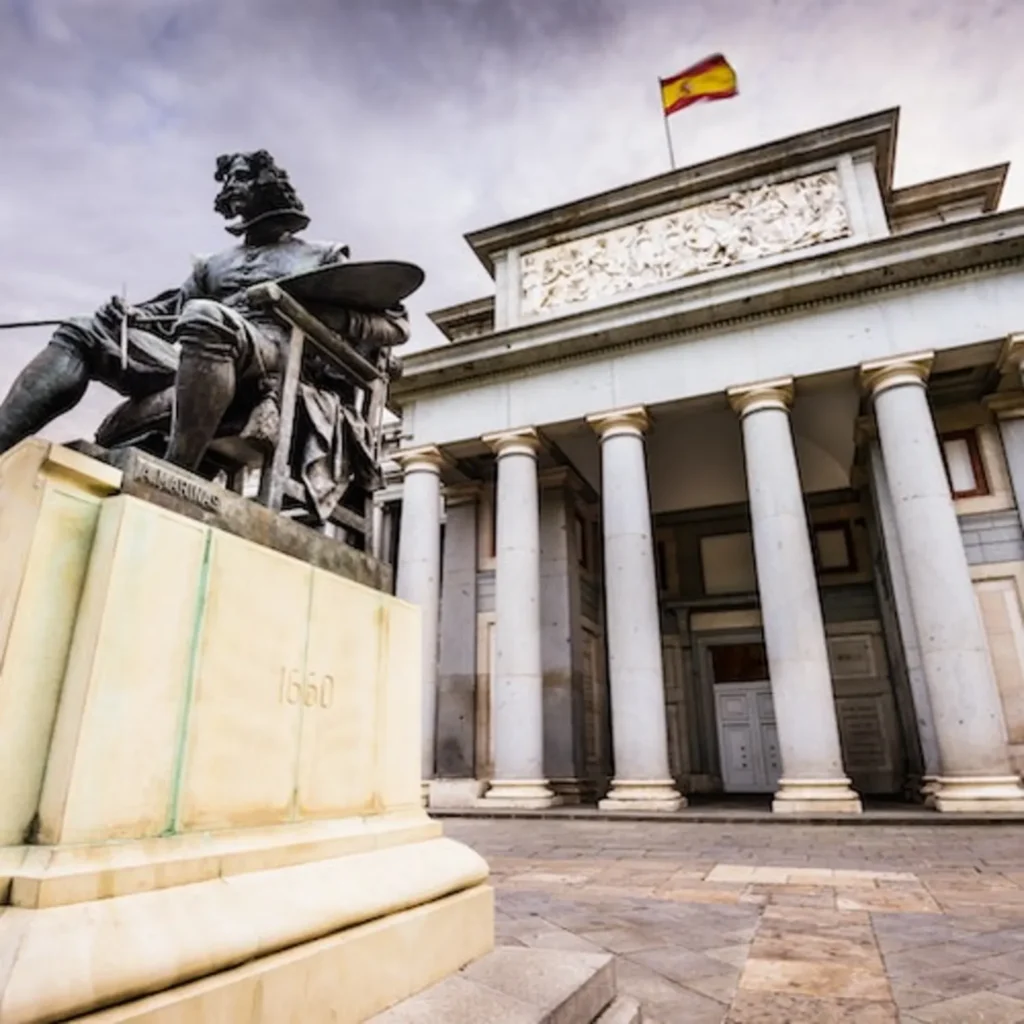
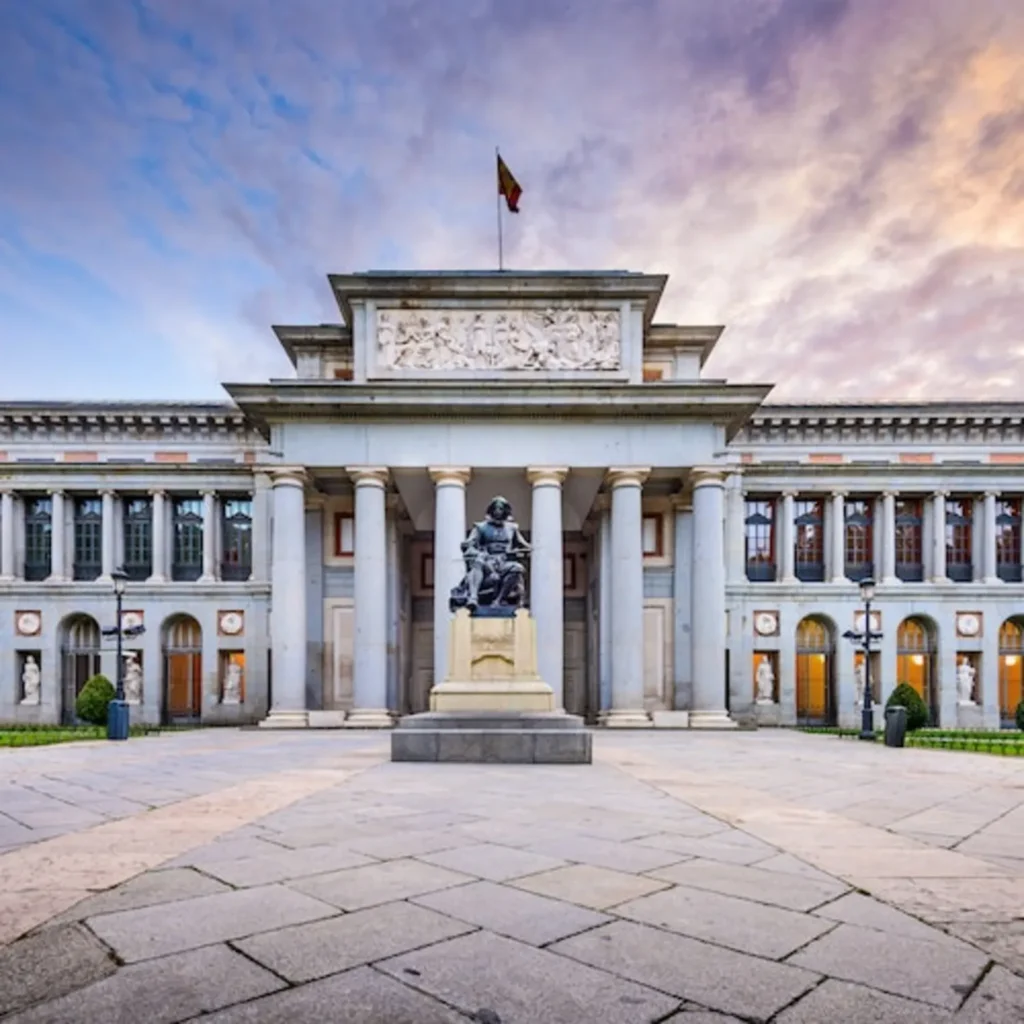
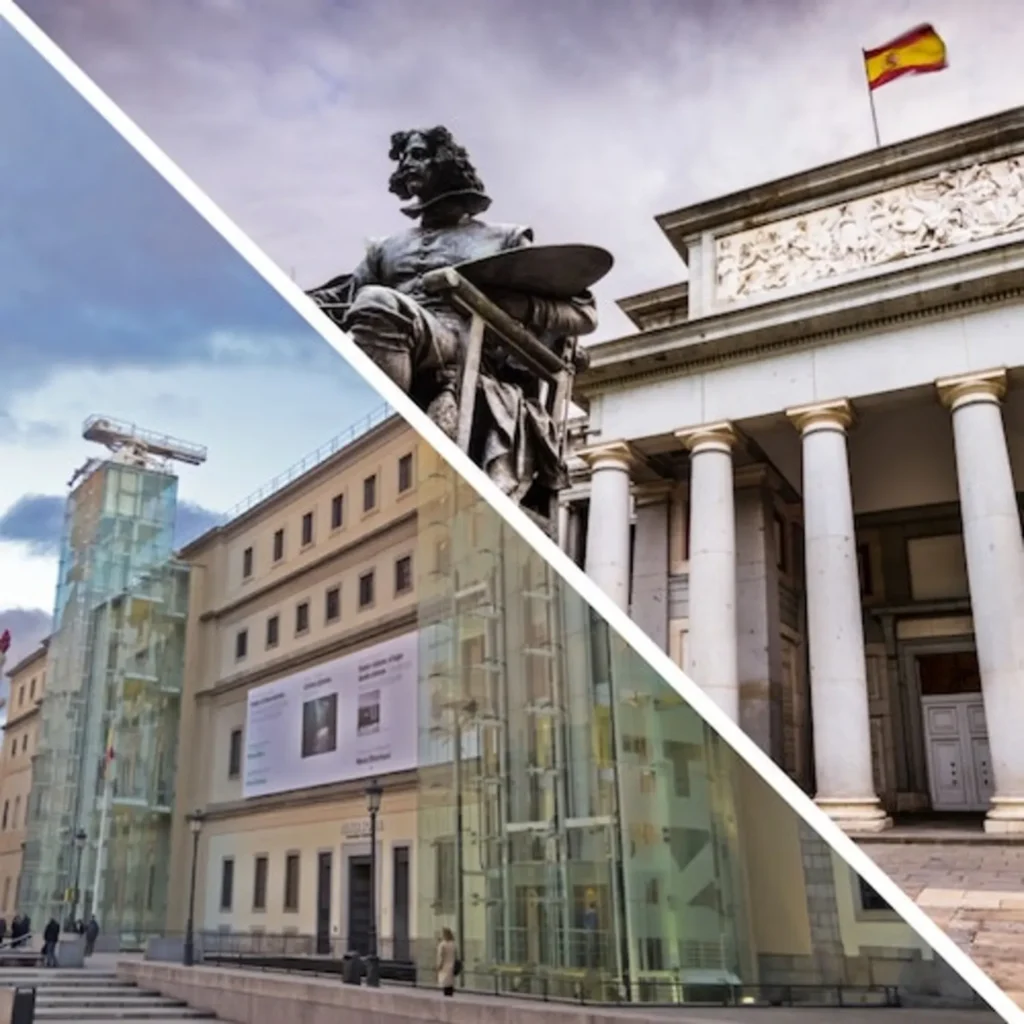
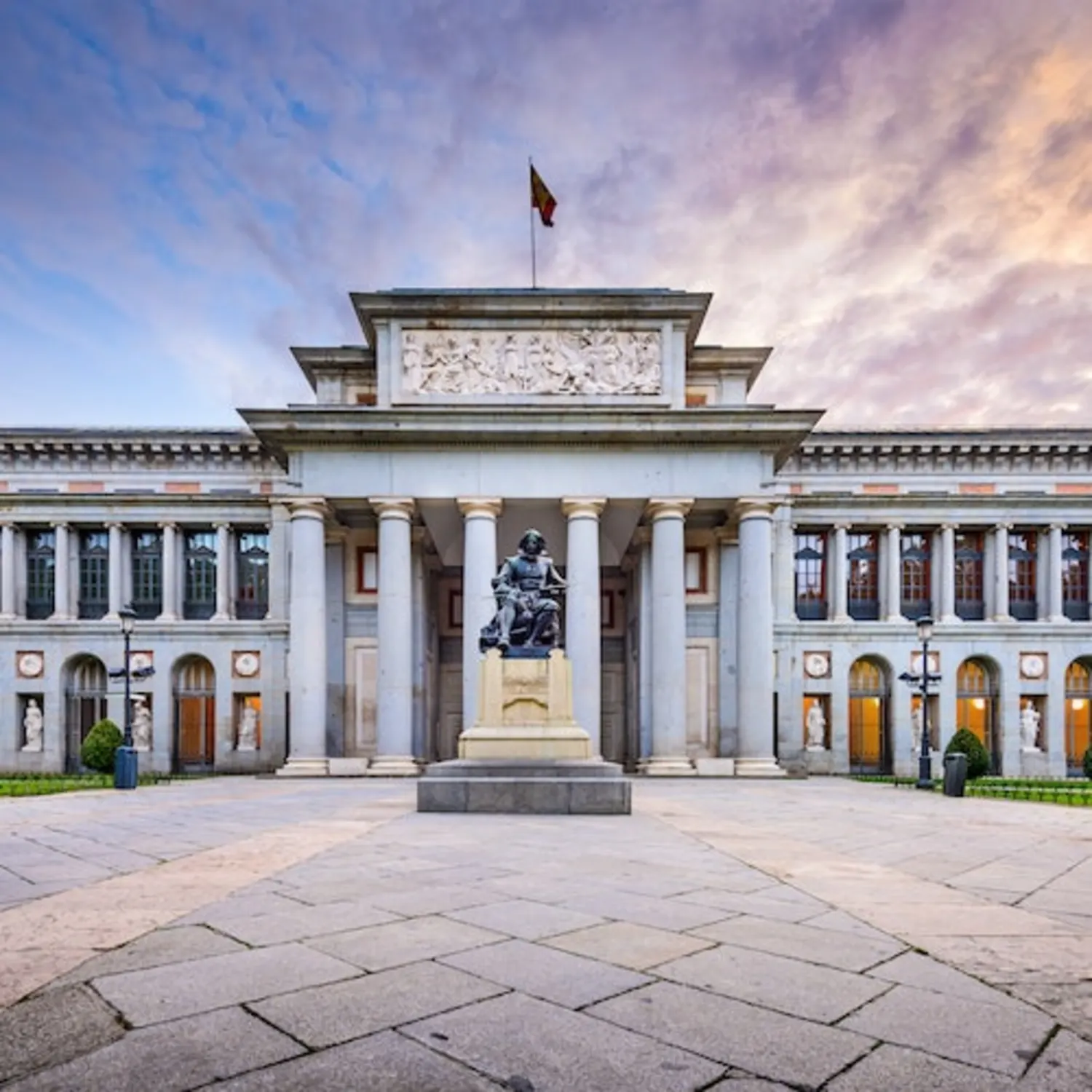
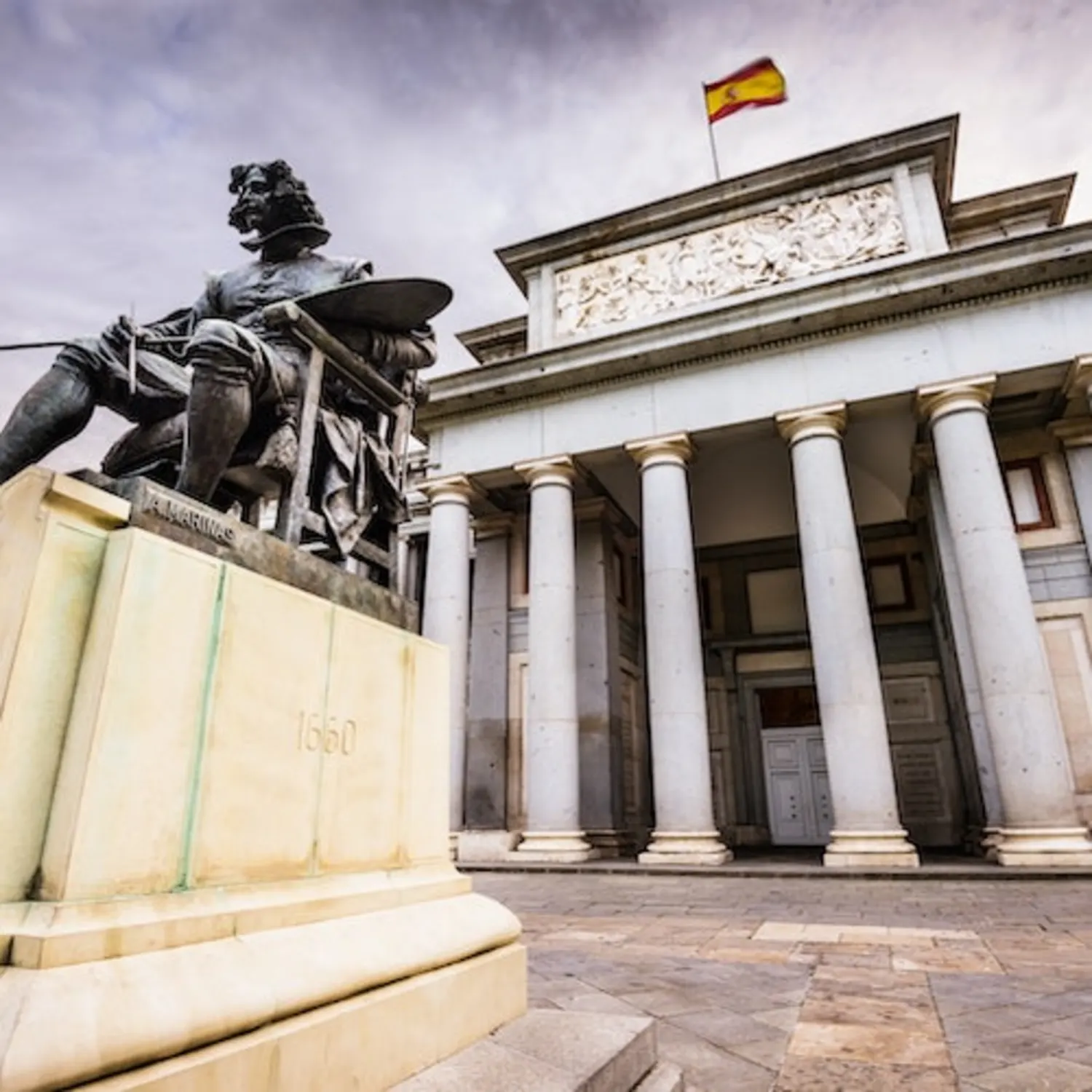
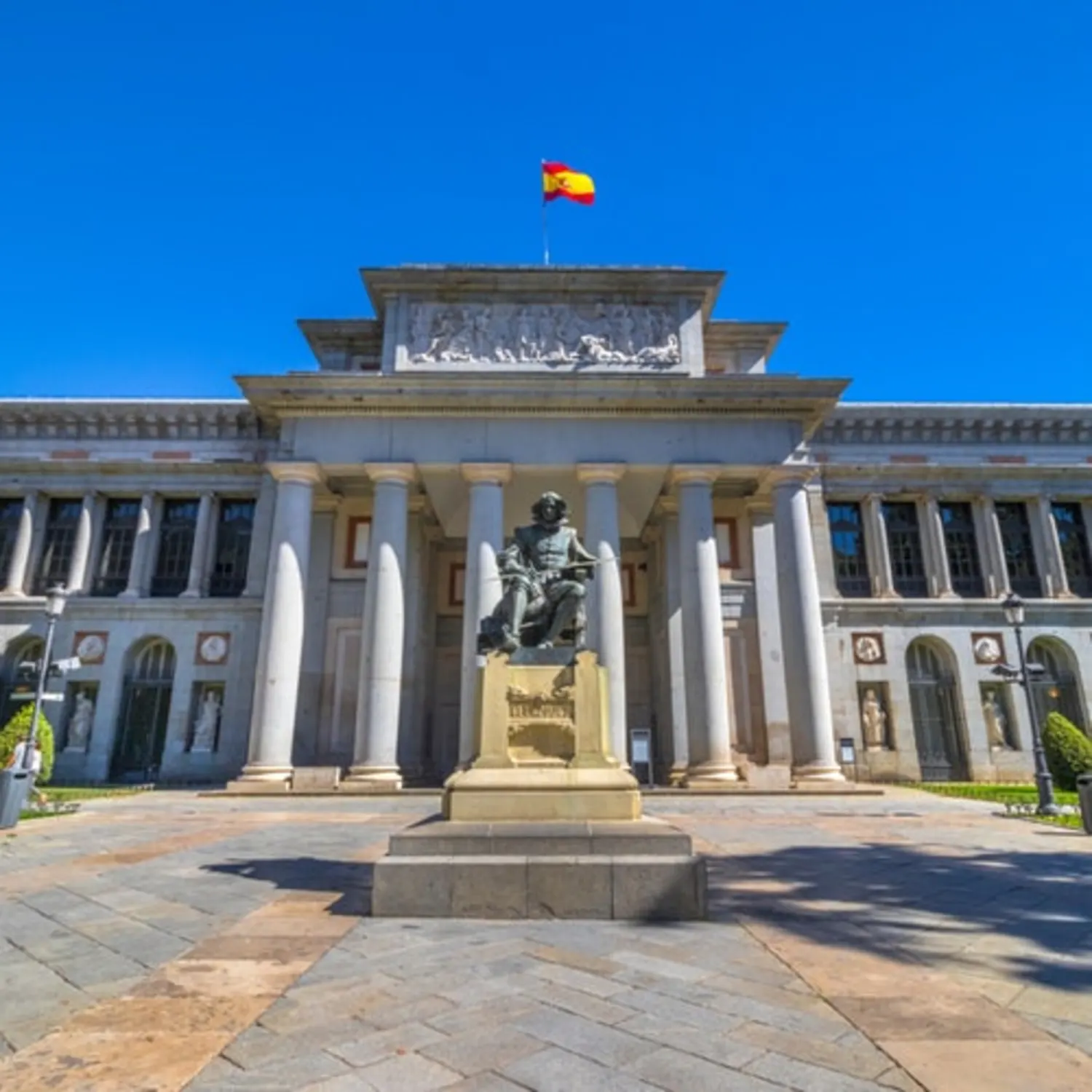
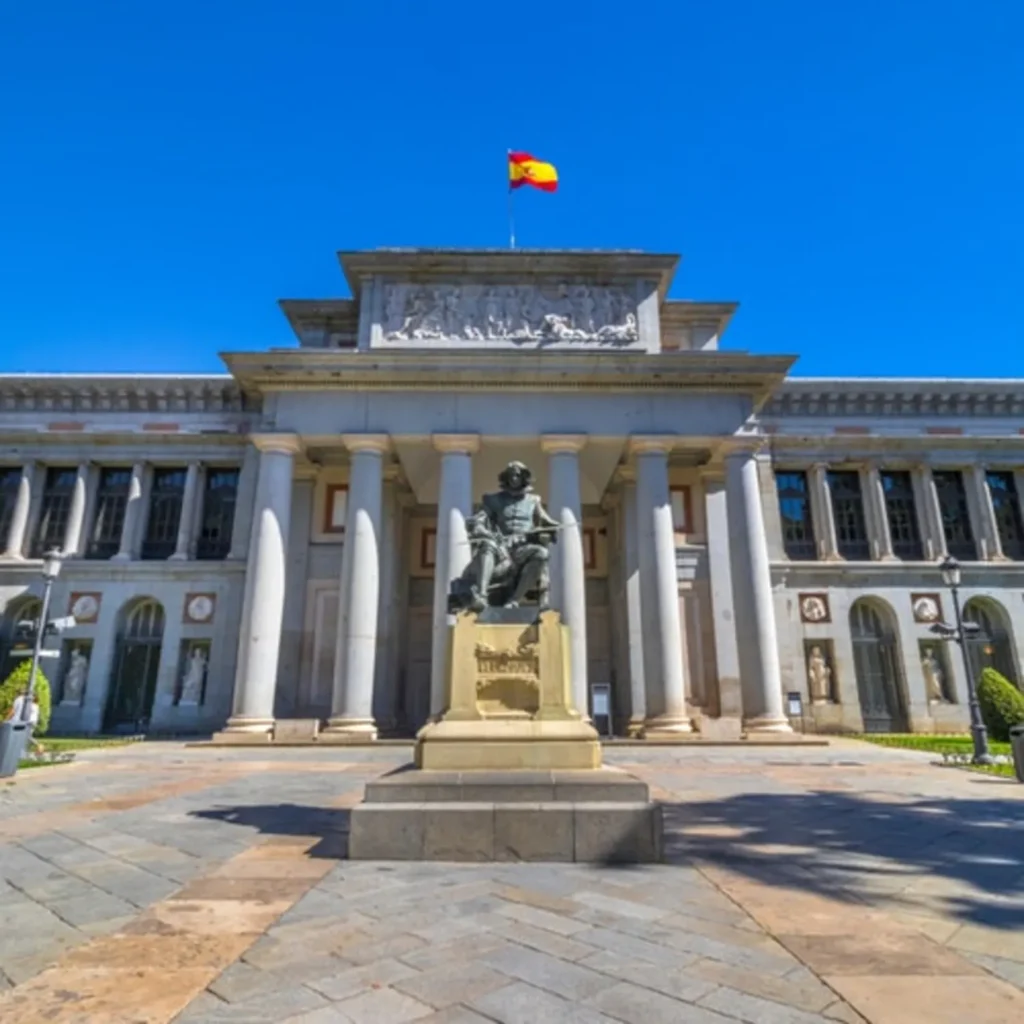
Main facade of the Prado Museum in Madrid

Goya left Spain for France in 1824 and the paintings stayed on the walls for half a century. After Goya's death, Antonio de Brugada drew up an inventory of the house in 1828, which, with photographs taken by Laurent around 1874, is used to reconstruct the original layout. Baron Émile d'Erlanger bought the house in 1873 and had the murals transferred to canvas in 1874, a process that caused significant paint loss. The paintings were shown at the 1878 Paris Universal Exhibition. In 1881 the baron donated them to the state, and they have been on view at the Prado since 1889.

4.7
(30)

Prado Museum Tickets

Highlights

Explore masterpieces by renowned Spanish and international artists.

Enjoy direct entry to the museum’s permanent collection through a dedicated entrance.

Discover over 1,500 artworks on display from a vast collection exceeding 7,000 pieces.

Avoid long queues with this entry ticket.

Experience one of the world’s leading art museums, comparable to the Louvre and the Met.
4.7
(9)

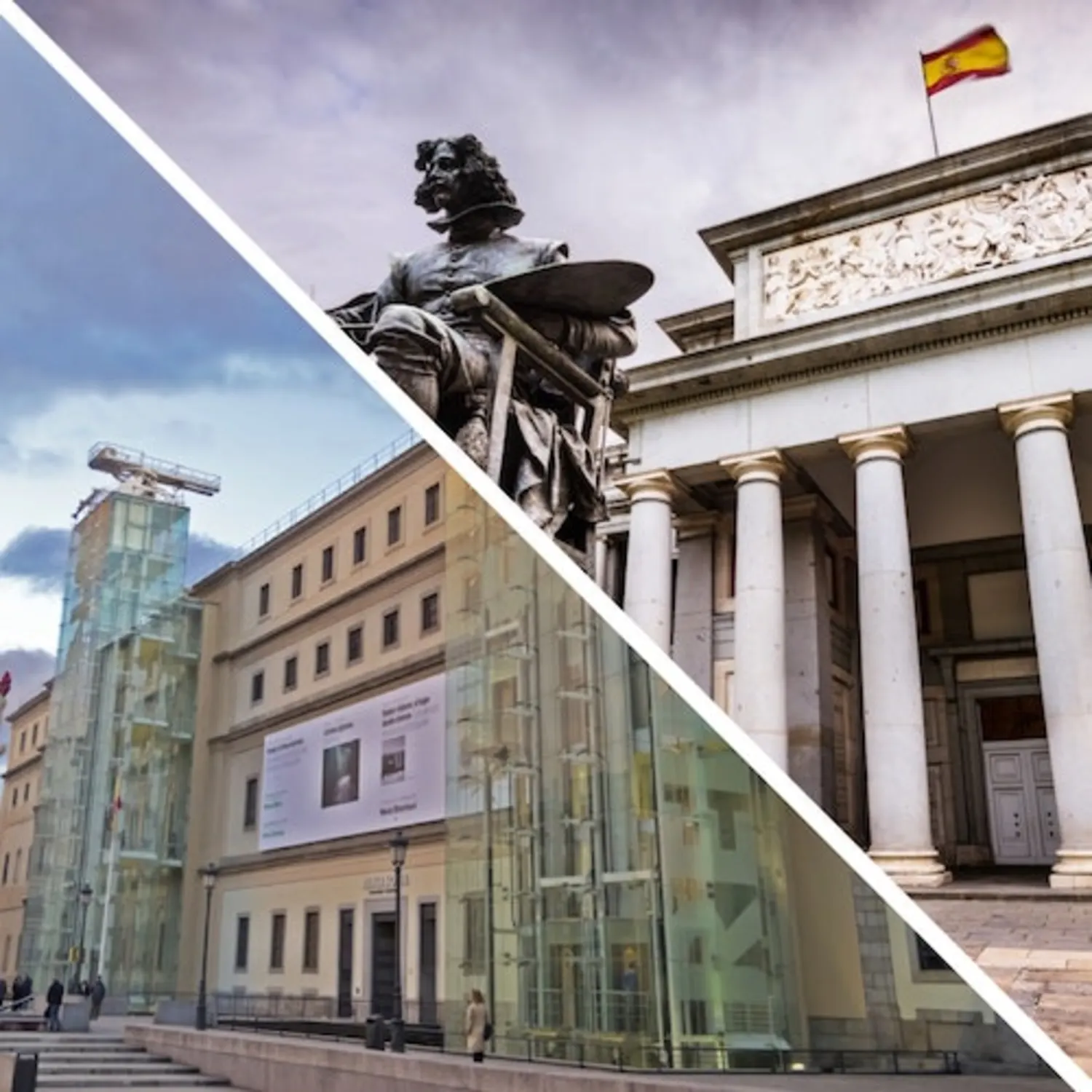
Prado and Reina Sofía Museums: Skip-the-Line + Guided Tour Ticket

Highlights

Avoid waiting in line at both museums.

Join a knowledgeable guide who speaks Spanish.

Discover iconic Spanish artworks from the 16th to 20th centuries.

Enjoy a comprehensive 4-hour tour covering major masterpieces.

Visit both the Prado and Reina Sofía museums in one trip.
4.7
(21)

Prado, Reina Sofia and Thyssen: Paseo del Arte Season Tickets

Highlights

Avoid lengthy queues with express access.

Visit three top museums located close to each other.

Save up to 20% compared to individual ticket purchases.

Experience some of the world’s finest art collections.

Flexible entry times and dates for your convenience.
See the Black Paintings

Walk the room slowly and try to imagine the paintings on the walls of a house, where Goya saw them every day. For a sense of how far his art travelled, compare them with a painting from twenty years earlier, La Maja Desnuda, also in the Prado's Goya collection.

Goya's Black Paintings FAQs

Where are Goya's Black Paintings?

In Room 067 of the Museo Nacional del Prado in Madrid.

Why are they called the Black Paintings?

The name reflects their dark palette and grim subjects. The Prado warns against reading too much into the titles used today, since several have changed over time.

Where did Goya paint Saturn Devouring His Son?

On a wall of the ground-floor room of the Quinta del Sordo, his house beside the Manzanares river in Madrid, around 1820 to 1823. It was transferred to canvas in 1874.

What does Saturn Devouring His Son mean?

It shows the Roman god Saturn eating one of his children so that none could overthrow him. Some scholars link it to Goya's age and illness, as Saturn was also the god of melancholy.

What is the dog looking at in Goya's The Dog?

An old photograph by Jean Laurent suggests the dog may have been looking up at two birds, though the image is not conclusive.

Is Rubens's Saturn also in the Prado?

Yes. Rubens's Saturn Devouring a Son, painted in 1636 to 1638, hangs in Room 079, according to the Prado's collection record.

About this guide

This website offers official tickets for the venues listed, sold by Tourism Tickets. Please note, however, that it is not the official website of any of these venues.

The images and videos on this website may contain visual elements that have been created or enhanced using AI technology. They are provided for illustrative purposes only.